
English 
Room501, Building32, No. 518 Xinzhuan Highway, Songjiang District, Shanghai, China 201612
Views: 0 Author: Site Editor Publish Time: 2026-02-10 Origin: Site


Have you ever wondered what materials can withstand extreme heat? Nickel-based superalloys are the answer. These advanced materials excel in high-temperature applications, making them essential in industries like aerospace and power generation.
In this article, we’ll explore what nickel-based superalloys are, including their composition and types. You’ll learn about key alloying elements such as chromium and molybdenum, and discover examples like Inconel 718 and Hastelloy C276. Join us as we delve into the world of these remarkable materials and their critical roles in modern technology.
Nickel-based superalloys are renowned for their exceptional strength at elevated temperatures. Unlike many materials, these alloys maintain their mechanical properties even when exposed to extreme heat.
● Strength Retention: At temperatures exceeding 1000 °C, nickel-based superalloys exhibit minimal loss in tensile strength. This characteristic is crucial for components in jet engines and gas turbines, where reliability is paramount.
● Comparison with Stainless Steels: While stainless steels may perform well at moderate temperatures, they typically degrade significantly at higher temperatures. In contrast, nickel-based superalloys outperform them, making them the preferred choice for demanding applications.
One of the standout features of nickel-based superalloys is their remarkable resistance to oxidation and corrosion. This is vital for applications in harsh environments, such as chemical processing and aerospace.
● Mechanisms of Corrosion Resistance: Nickel-based superalloys form protective oxide layers when exposed to high temperatures. These layers act as a barrier, preventing further oxidation and enhancing the alloy's lifespan.
● Self-Healing Properties: If the oxide layer is damaged, the alloy can regenerate this protective layer, which is a unique feature of nickel-based superalloys. This self-healing property ensures long-term durability, reducing maintenance costs and downtime.
Property | Nickel-based Superalloys | Stainless Steels |
Temperature Resistance | Up to 1200 °C | Up to 800 °C |
Oxidation Resistance | Excellent | Moderate |
Self-Healing Capability | Yes | No |
Creep is the tendency of materials to deform permanently under constant stress, particularly at high temperatures. Nickel-based superalloys excel in creep resistance, making them ideal for components subjected to sustained loads over time.
● Definition and Significance: Creep becomes a critical factor in applications like turbine blades, where materials are under constant stress and high temperatures. The ability to resist creep ensures these components maintain their shape and function over extended periods.
● Performance Under Stress: In nickel-based superalloys, the combination of alloying elements and microstructure contributes to their superior creep resistance. They can withstand significant loads without deforming, which is essential for safety and performance.
The microstructure of nickel-based superalloys plays a vital role in their performance.
● Influence of γ' Phase: The presence of the γ' phase (gamma prime) enhances strength and stability at high temperatures. This phase forms during aging processes, creating a network of precipitates that strengthen the alloy.
● Grain Boundary Strengthening: Fine grain structures in these superalloys improve their resistance to creep. Smaller grains lead to increased grain boundary area, which helps to distribute stress more evenly.
Microstructural Feature | Effect on Creep Resistance |
γ' Phase | Increases strength |
Fine Grain Structure | Distributes stress evenly |
Nickel-based superalloys are not just suitable for high-temperature applications; they are essential. Their unique combination of strength, corrosion resistance, and creep resistance makes them the go-to choice in industries ranging from aerospace to chemical processing. Whether it’s a press brake punch or a press brake die, these materials ensure longevity and reliability in the most demanding environments.
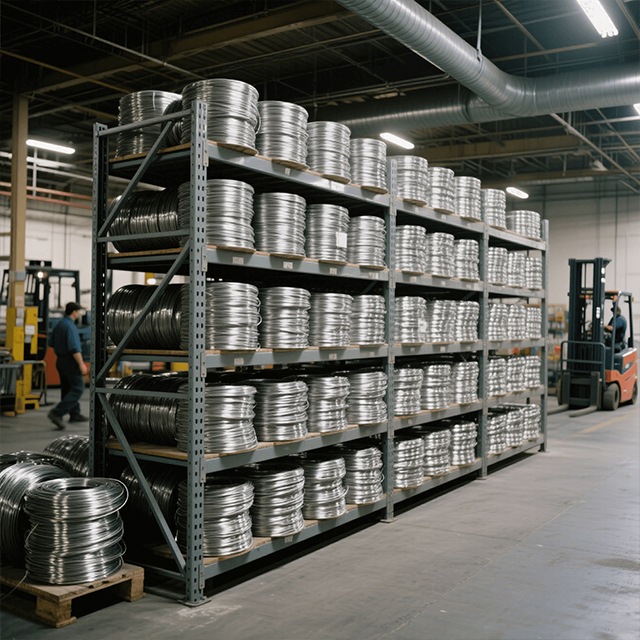
Nickel-based superalloys are celebrated for their unique properties, which make them indispensable in high-temperature applications. Understanding these properties helps in selecting the right materials for demanding environments, such as aerospace and power generation.
The mechanical performance of nickel-based superalloys is outstanding, characterized by:
● Tensile Strength: These alloys maintain high tensile strength even at elevated temperatures, making them ideal for components like turbine blades.
● Ductility: Nickel-based superalloys exhibit excellent ductility, allowing them to deform without fracturing. This property is crucial in applications where components must withstand significant stress.
● Toughness: The toughness of these alloys ensures they can absorb energy and resist fracture under impact.
The microstructure plays a vital role in determining these mechanical properties.
● Grain Size: Finer grains enhance strength and toughness, improving overall performance.
● Phase Distribution: The presence of precipitates, like the γ' phase, contributes to increased strength, especially at high temperatures.
When it comes to thermal properties, nickel-based superalloys shine in several aspects:
● Thermal Conductivity: These alloys have moderate thermal conductivity, allowing for effective heat dissipation in high-temperature environments.
● Thermal Expansion Characteristics: They exhibit low thermal expansion, which is critical in maintaining dimensional stability under temperature fluctuations.
Property | Nickel-based Superalloys | Importance in Applications |
Thermal Conductivity | Moderate | Effective heat management |
Thermal Expansion | Low | Stability in high-temperature environments |
Nickel-based superalloys retain their mechanical and thermal properties even at extreme temperatures, often exceeding 1000 °C. This stability is essential for components in jet engines and gas turbines, ensuring they perform reliably over extended periods.
While primarily known for their mechanical properties, nickel-based superalloys also possess noteworthy electrical characteristics.
● Conductivity: These alloys exhibit moderate electrical conductivity, which can be beneficial in specific applications where electrical properties are critical.
Nickel-based superalloys are often used in heating elements and resistors due to their ability to withstand high temperatures without degrading.
● Applications: In heating applications, they provide reliable performance and durability. For instance, in manufacturing processes involving press brake punches and dies, these materials can handle the thermal stress generated during operation.
Application | Property | Benefit |
Heating Elements | High-temperature stability | Long-lasting performance |
Resistors | Moderate conductivity | Efficient energy conversion |
Nickel-based superalloys are not just materials; they are solutions for high-performance applications. Their mechanical, thermal, and electrical properties make them the go-to choice for industries requiring reliability and efficiency. Whether it's in aerospace or manufacturing, these alloys continue to set the standard for excellence.
The manufacturing of nickel-based superalloys is a complex process that requires precision and expertise. These alloys are crucial for high-temperature applications, and their production involves several key techniques.
The first step in creating nickel-based superalloys is the melting and casting process.
● Melting: Nickel and other alloying elements are melted together in a controlled environment. This ensures uniformity in composition, which is vital for performance.
● Casting: The molten alloy is then cast into molds to form ingots. This step is critical as it sets the foundation for the material's properties.
After casting, controlled cooling is essential.
● Cooling Rates: Slow cooling allows the alloy to crystallize properly, enhancing its mechanical properties. Rapid cooling can lead to defects, affecting performance.
● Heat Treatment: Post-casting heat treatment further refines the microstructure, optimizing strength and ductility. This process often includes aging, which develops the desired γ' phase that enhances the alloy's capabilities.
Once the alloy is produced, fabrication begins. Common techniques include:
● Forging: This process shapes the alloy by applying compressive forces, enhancing its strength through grain refinement.
● Machining: Precision machining is used to create components like press brake punches and dies. This step ensures that the parts meet exact specifications.
Working with nickel-based superalloys presents unique challenges:
● Hardness: These materials are often harder than conventional alloys, making machining more difficult and requiring specialized tools.
● Tool Wear: The wear rate of cutting tools can be significantly higher, leading to increased costs and downtime.
Quality control is paramount throughout the manufacturing process.
● Testing Mechanical Properties: Rigorous testing ensures the alloys meet required strength and ductility standards. This step is crucial for safety in applications like aerospace.
● Corrosion Resistance Testing: Evaluating corrosion resistance is essential, especially for components exposed to harsh environments.
Quality Control Aspect | Importance |
Mechanical Properties Testing | Ensures safety and reliability |
Corrosion Resistance Testing | Extends service life |
Nickel-based superalloys are engineered for excellence, and their manufacturing processes reflect that commitment. From melting and casting to fabrication and quality control, each step plays a vital role in delivering high-performance materials for demanding applications.
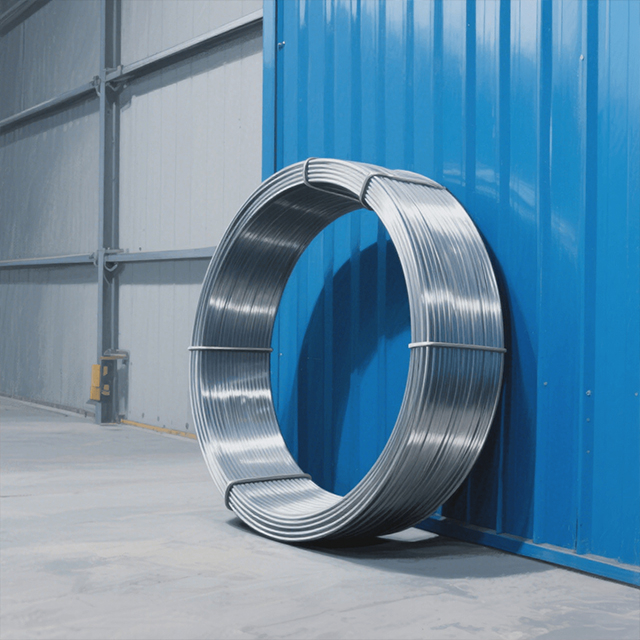
Nickel-based superalloys are indispensable in various industries due to their exceptional properties. Their ability to withstand extreme temperatures and corrosive environments makes them the material of choice for critical applications.
In the aerospace sector, nickel-based superalloys are crucial for jet engines and gas turbines.
● High-Temperature Performance: These alloys can operate reliably at temperatures exceeding 1000 °C, ensuring optimal engine performance.
● Examples of Alloys:Inconel 718: Known for its strength and oxidation resistance, this alloy is widely used in turbine components.
○ Inconel 625: Offers excellent fatigue and thermal-fatigue strength, making it suitable for exhaust systems.
Nickel-based superalloys play a vital role in power generation, particularly in gas turbines and nuclear reactors.
● Energy Efficiency: Their ability to maintain strength at high temperatures contributes to greater efficiency in energy production.
● Durability: These alloys are designed to withstand harsh operating conditions, reducing maintenance needs and extending service life.
Application Area | Benefits |
Gas Turbines | High efficiency and durability |
Nuclear Reactors | Resistance to radiation and corrosion |
In the chemical processing industry, nickel-based superalloys are essential for applications in corrosive environments.
● Corrosion Resistance: They resist degradation in harsh chemicals, ensuring safety and reliability.
● Specific Alloys:Hastelloy C2000: This alloy is specifically designed for extreme corrosion resistance, making it ideal for chemical reactors and piping systems.
These superalloys are also used extensively in marine and oil & gas sectors.
● Offshore Structures: Nickel-based superalloys can withstand the harsh conditions of seawater, making them perfect for offshore platforms.
● Drilling Equipment: Their durability ensures that equipment remains operational in challenging environments, reducing downtime.
Nickel-based superalloys find applications in the medical field, particularly in devices and implants.
● Corrosion Resistance: Their ability to resist corrosion is crucial for medical implants, ensuring long-term safety.
● Biocompatibility: These materials are compatible with the human body, making them suitable for surgical instruments and prosthetics.
Industry | Application | Alloy Example |
Aerospace | Jet engines | Inconel 718 |
Power Generation | Gas turbines | Inconel 625 |
Chemical Processing | Reactors | Hastelloy C2000 |
Marine | Offshore structures | Various alloys |
Medical | Implants | Nickel-titanium alloys |
Nickel-based superalloys are integral to modern engineering solutions. Their diverse applications across industries highlight their versatility and reliability, making them essential for high-performance components like press brake punches and dies. The unique properties of these alloys ensure they meet the rigorous demands of various sectors, paving the way for future innovations.
Nickel-based superalloys are ideal for high-temperature applications. They offer exceptional strength, corrosion resistance, and durability. Industries such as aerospace, power generation, and chemical processing benefit significantly from these materials. Continued research and development in this field is crucial for enhancing their performance. Companies should consider incorporating nickel-based superalloys into their products. Bozhong provides high-quality superalloys that deliver outstanding value and reliability for demanding applications. Explore their offerings to enhance your operational efficiency.
A: Nickel-based superalloys are high-performance materials designed for extreme temperatures and demanding environments.
A: They offer exceptional strength and corrosion resistance, making them ideal for jet engines and gas turbines.
A: Unlike stainless steels, nickel-based superalloys maintain their properties at higher temperatures, ensuring reliability.
A: They enhance energy efficiency and durability, crucial for gas turbines and nuclear reactors.
A: The price varies based on the specific alloy and application, but their long-term benefits often justify the investment.


