
English 
Room501, Building32, No. 518 Xinzhuan Highway, Songjiang District, Shanghai, China 201612
Views: 0 Author: Site Editor Publish Time: 2026-02-09 Origin: Site


Have you ever wondered why nickel alloys are crucial in modern technology? These materials are not just metals; they play a key role in various industries.
In this article, we’ll explore the classification of nickel alloys and their remarkable corrosion resistance. You’ll learn about their unique properties, including strength at high temperatures, ductility, and electrical conductivity.
Nickel alloys are essential in various applications due to their unique properties. Here’s a closer look at the different types of nickel alloys and their specific characteristics.
● Definition and Characteristics: Wrought nickel alloys are formed through mechanical processes like forging and rolling. This enhances their strength and ductility, making them ideal for demanding applications. They are known for their excellent corrosion resistance and high-temperature stability, which is crucial in industries such as aerospace and chemical processing.
● Applications in the Chemical Industry: These alloys are widely used in chemical processing plants due to their ability to withstand harsh environments. They help in manufacturing equipment that must endure corrosive substances, such as reactors and heat exchangers. For example, they are often found in piping systems where durability is paramount.
● Example: Pure nickel UNS N02200 is a prime example. Its corrosion resistance makes it ideal for applications in alkalis and electromagnetic shielding. This alloy is particularly effective in environments that require high purity and minimal contamination, often used in the production of specialty chemicals.
● Properties and Uses: Nickel-iron alloys possess unique soft magnetic properties, making them suitable for specific applications in electronics and precision instruments. These alloys maintain their magnetic properties even at elevated temperatures, which is critical in many high-tech devices.
● Invar®: This alloy, containing 36% nickel, is significant in precision applications. It has an almost zero coefficient of thermal expansion, which is vital in instruments requiring high dimensional stability. Invar is commonly used in clocks, precision measuring devices, and components that must maintain their shape under varying temperatures.
● Soft Magnetic Properties: These alloys are often used in electronics, particularly in transformers and inductors. Their ability to minimize energy loss in magnetic circuits makes them invaluable in various electrical applications.
● Corrosion Resistance Attributes: Nickel-copper alloys are highly resistant to corrosion in seawater and alkaline solutions. This makes them ideal for marine applications where exposure to saltwater is a concern.
● Key Examples: Alloy 400 is a well-known nickel-copper alloy, recognized for its exceptional resistance to saltwater corrosion. It is commonly used in shipbuilding and offshore platforms, where durability is critical.
● Applications: They are frequently used in marine environments and chemical processing, where durability is crucial. Additionally, these alloys are employed in heat exchangers, valves, and pumps that handle corrosive fluids.
● Resistance to Reducing Acids: These alloys excel in environments with reducing acids, making them invaluable in specific chemical processes. Their ability to withstand aggressive conditions helps prevent equipment failure.
● Notable Alloys: Alloy B-2 is a prime example, known for its strength and resistance to corrosion. It is often used in reactors and piping systems that handle sulfuric and hydrochloric acids.
● Applications: They are frequently used in chemical processing industries, especially for equipment exposed to harsh chemicals. Their robust performance ensures reliability in critical applications, reducing the risk of downtime.
● High-Temperature and Corrosion Resistance: Nickel-chromium alloys are designed to withstand extreme temperatures and corrosive conditions. This makes them suitable for high-stress applications in various industries.
● Main Groups: This category includes various alloys, each tailored for specific applications. The addition of chromium enhances oxidation resistance, allowing these alloys to perform well in high-temperature environments.
● Examples: Alloys 600 and 601 are popular choices, often used in furnace applications and heat exchangers. Their ability to maintain structural integrity under high heat makes them essential in industrial processes.
● Strength and Oxidation Resistance: These alloys combine the benefits of nickel, chromium, and iron, offering excellent strength and oxidation resistance. They are often used in applications where both strength and resistance to oxidation are required.
● Key Examples: Alloys 800 and 825 are widely recognized in the industry for their durability and performance. They are commonly used in heat exchangers, pressure vessels, and other critical components.
● Classification: They are often classified as stainless steels due to their high iron content, which enhances their overall corrosion resistance.
● Exceptional Corrosion Resistance: These alloys are known for their outstanding resistance to various corrosive environments. They are particularly effective in handling aggressive chemicals.
● Notable Variants: Alloy C-276 stands out for its ability to handle harsh chemical conditions. Its unique composition allows it to resist pitting and crevice corrosion in severe environments.
● Applications: They are commonly used in industries dealing with aggressive chemicals, such as oil and gas. Their robust performance ensures reliability and safety in critical applications.
● Properties and Applications: These alloys exhibit high-temperature strength and corrosion resistance, making them suitable for demanding applications. They are often used in aerospace and other high-performance environments.
● Significance: They are particularly useful in aerospace applications, where both strength and weight are critical factors. Their ability to withstand extreme conditions makes them invaluable in jet engines and turbine components.
● Shape Memory Properties: Nickel-titanium alloys, also known as Nitinol, have unique shape memory characteristics. They can return to their original shape after deformation, making them ideal for specific applications.
● Applications: These alloys are widely used in medical devices, such as stents and guidewires. Their ability to conform to body shapes and return to a pre-defined form enhances their effectiveness in medical applications.
● Super-Elastic Properties: They can undergo significant deformation and return to their original shape, making them ideal for a variety of applications. This property is particularly beneficial in applications requiring flexibility and resilience.
Alloy Type | Key Characteristics | Common Applications |
Wrought Nickel Alloys | High strength, ductility | Chemical processing equipment |
Nickel-Iron Alloys | Soft magnetism, low thermal expansion | Precision instruments |
Nickel-Copper Alloys | Excellent corrosion resistance | Marine environments, chemical processing |
Nickel-Molybdenum Alloys | Strong against reducing acids | Chemical processing industries |
Nickel-Chromium Alloys | High-temperature resistance | Furnace applications, heat exchangers |
Nickel-Chromium-Iron Alloys | Strength, oxidation resistance | Stainless steel applications |
Nickel-Chromium-Molybdenum Alloys | Outstanding corrosion resistance | Oil and gas industries |
Nickel-Chromium-Cobalt Alloys | High-temperature strength | Aerospace applications |
Nickel-Titanium Alloys | Shape memory and super-elastic properties | Medical devices |
Nickel alloys play a vital role in many industries, from aerospace to chemical processing. Their unique properties make them indispensable for applications requiring durability and resistance to extreme conditions. Whether in press brake punch or press brake die applications, nickel alloys provide the strength and reliability needed in today's demanding environments.
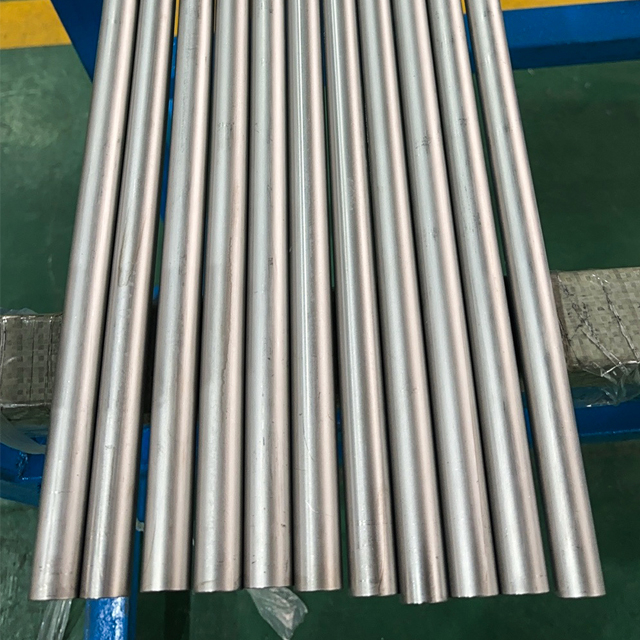
Nickel alloys are renowned for their exceptional corrosion resistance, which is crucial for their performance in various industries. Their ability to withstand aggressive environments makes them a preferred choice for applications ranging from chemical processing to marine environments.
● Formation of Protective Oxide Layers: Nickel alloys develop a thin layer of oxide on their surface when exposed to the environment. This layer acts as a barrier, preventing further corrosion. The protective nature of these oxide layers is vital for the longevity of components made from nickel alloys.
● Role of Alloying Elements: Elements like chromium and molybdenum play a significant role in enhancing corrosion resistance.
○ Chromium: It forms a stable oxide layer that protects the underlying metal.
○ Molybdenum: It improves resistance to pitting and crevice corrosion, especially in chloride environments.
● Self-Healing Properties: One of the remarkable features of nickel alloys is their self-healing ability. If the protective layer gets damaged, nickel can quickly reform the oxide layer, restoring its protective properties. This feature is particularly useful in harsh environments where exposure to corrosive agents is frequent.
Nickel alloys excel in various environments, each presenting unique challenges.
● Acidic Environments: Nickel alloys demonstrate impressive resistance to strong acids, such as hydrochloric and sulfuric acids.
○ Key Alloys: Alloys like Alloy 400 and Alloy B-2 are particularly effective in these conditions. They maintain their integrity and performance, making them ideal for chemical processing applications.
● Alkaline Solutions: Nickel-copper alloys are known for their performance in caustic environments.
○ These alloys resist corrosion in alkaline solutions, making them suitable for applications in chemical manufacturing and waste treatment. Their durability helps ensure equipment longevity in these challenging conditions.
● Seawater and Marine Applications: The marine environment poses significant corrosion risks due to saltwater exposure.
○ Specific Alloys: Alloys such as Alloy 400 and Alloy C-276 are designed for marine applications. They resist corrosion from seawater and non-oxidizing salts, making them ideal for shipbuilding and offshore platforms.
Environment Type | Key Challenges | Recommended Alloys |
Acidic Environments | Corrosion from hydrochloric and sulfuric acids | Alloy 400, Alloy B-2 |
Alkaline Solutions | Corrosion in caustic environments | Nickel-Copper Alloys |
Seawater and Marine | Corrosion from saltwater and salts | Alloy 400, Alloy C-276 |
Nickel alloys are the go-to choice for many industries due to their corrosion resistance. Whether in the form of a press brake punch or a press brake die, these alloys ensure durability and reliability in demanding applications. Their unique properties not only enhance performance but also extend the lifespan of critical components, making them invaluable in today's industrial landscape.
Nickel alloys are widely used across various industries due to their unique properties. Their exceptional corrosion resistance and high-temperature strength make them essential in demanding applications. Let's explore some key sectors where nickel alloys excel.
● Use Cases in Handling Aggressive Chemicals: Nickel alloys are often the material of choice for equipment used in chemical processing. They can withstand harsh chemicals, ensuring safety and reliability in operations.
● Importance of Corrosion Resistance: In chemical plants, the risk of corrosion can lead to equipment failure and costly downtime. Nickel alloys, such as Alloy 400 and Alloy B-2, provide the necessary durability to handle corrosive substances, including acids and alkalis.
● Role in Turbine Engines and High-Stress Components: The aerospace sector relies heavily on nickel alloys for their ability to perform under extreme conditions. These materials are crucial in turbine engines, where high temperatures and pressures are the norm.
● Applications in Jet Engines and Rocket Components: Nickel-based superalloys are commonly used in jet engines and rocket components. Their strength and thermal stability ensure optimal performance, even at elevated temperatures.
● Applications in Nuclear Reactors and Gas Turbines: Nickel alloys are vital in the energy sector, particularly in nuclear reactors and gas turbines. They withstand high radiation levels and extreme temperatures, ensuring safe and efficient energy production.
● Importance of High-Temperature Performance: For energy conversion processes, nickel alloys maintain their mechanical properties at high temperatures. This capability is crucial for maximizing efficiency and minimizing maintenance costs.
● Significance of Corrosion Resistance in Biomedical Applications: In the medical field, nickel alloys are used for devices that require high biocompatibility and corrosion resistance. These materials ensure the safety and effectiveness of medical implants and instruments.
● Use of Nickel-Titanium Alloys: Nickel-titanium alloys, known for their shape memory and super-elastic properties, are particularly valuable in medical applications. They are commonly found in stents, guidewires, and orthopedic devices, providing flexibility and reliability.
● Use of Nickel-Based Alloys in Electronic Components: Nickel alloys are essential in the electronics industry due to their excellent electrical conductivity and thermal properties. They are often used in connectors, switches, and other electronic components.
● Importance of Electrical Conductivity and Thermal Properties: The ability of nickel alloys to conduct electricity efficiently makes them ideal for various applications, including circuit boards and power distribution systems. Their thermal stability also ensures reliable performance in electronic devices.
Industry Sector | Key Applications | Notable Alloys |
Chemical Processing | Equipment for aggressive chemicals | Alloy 400, Alloy B-2 |
Aerospace and Defense | Turbine engines, rocket components | Nickel-based superalloys |
Energy Sector | Nuclear reactors, gas turbines | High-temperature nickel alloys |
Medical Devices | Implants, surgical instruments | Nickel-titanium alloys |
Electronics and Electrical | Connectors, circuit boards | Nickel-copper alloys |
Nickel alloys are integral to many industries, from chemical processing to aerospace. Their unique properties ensure they perform reliably in challenging environments, whether in a press brake punch or a press brake die application. The versatility and strength of nickel alloys make them a go-to choice for manufacturers seeking durability and performance.
The classification of nickel alloys is crucial for understanding their applications and corrosion resistance. Nickel alloys are widely used in various industries, including chemical processing, aerospace, energy, medical devices, and electronics. Their unique properties ensure reliability in demanding environments. Future trends in nickel alloy development focus on innovations in alloy technology. Sustainability and recycling efforts are becoming increasingly important in this field. Companies like Bozhong offer high-quality nickel alloy products that provide exceptional value through their durability and performance, meeting the needs of diverse applications.
A: Nickel alloys are metal mixtures containing nickel and other elements, enhancing properties like corrosion resistance and strength.
A: Nickel alloys are crucial in chemical processing due to their ability to withstand aggressive chemicals without corroding.
A: Nickel alloys resist corrosion by forming protective oxide layers, which shield the underlying metal from harsh environments.
A: Nickel alloys provide high strength and thermal stability, making them ideal for turbine engines and other high-stress components.
A: Compared to other materials, nickel alloys offer superior corrosion resistance and performance in extreme conditions, making them preferable for many applications.


