
English 
Room501, Building32, No. 518 Xinzhuan Highway, Songjiang District, Shanghai, China 201612
Views: 0 Author: Site Editor Publish Time: 2026-02-16 Origin: Site


Have you ever wondered how alloys can transform industries? Alloys are essential materials that combine metals to enhance strength and resistance. Understanding their delivery states is crucial for optimizing performance in applications like aerospace, automotive, and chemical processing.
In this post, we’ll explore 16 different delivery states of alloys. You’ll learn how each state affects the properties and uses of these versatile materials. Whether you're an engineer or simply curious, this guide will provide valuable insights into the world of alloys.
Alloys are materials made by combining two or more metals, or a metal with other elements. This combination enhances their properties, making them stronger and more resistant to corrosion. Alloys play a critical role in various industries, including aerospace and automotive, where durability and performance are key.
Alloys can be broadly categorized into two types:
● Ferrous Alloys: These contain iron and are known for their strength. Examples include steel and cast iron, widely used in construction and machinery.
● Non-Ferrous Alloys: These do not contain significant amounts of iron. Common examples are aluminum alloys, copper alloys, and nickel-based alloys like Monel. Non-ferrous alloys are favored for their lightweight and corrosion-resistant properties.
Alloys possess several important characteristics:
● Strength: Alloys generally exhibit greater strength than their constituent metals. This makes them ideal for structural applications, such as in press brake punch and die manufacturing.
● Corrosion Resistance: Many alloys, especially those containing nickel and chromium, resist corrosion in harsh environments. This property is crucial for applications in chemical processing and marine environments.
● Versatility: Alloys can be engineered to meet specific performance requirements, making them suitable for a wide range of applications.
The development of alloys has a rich history. For instance, Monel alloy, created in the early 20th century, consists mainly of nickel and copper. It was initially used in marine applications due to its excellent corrosion resistance. Over the years, advancements in metallurgy have led to the creation of a variety of specialized alloys, each tailored for specific needs.
Alloy Type | Composition | Key Applications |
Monel | Nickel, Copper | Marine, chemical processing |
Stainless Steel | Iron, Chromium, Nickel | Kitchenware, medical devices |
Aluminum Alloy | Aluminum, Copper, Zinc | Aerospace, automotive parts |
Understanding alloys and their characteristics is essential for selecting the right materials for any application. This knowledge helps in making informed decisions, ensuring the best performance and longevity of products.
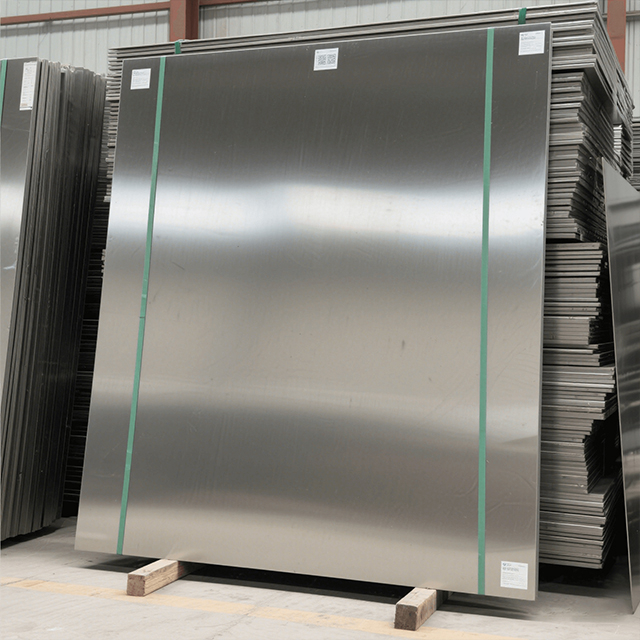
Understanding delivery states is crucial in the world of alloys. Delivery states refer to the specific conditions in which alloys are supplied, and they significantly impact how these materials perform in various applications. Each state can alter mechanical properties, corrosion resistance, and overall functionality.
Delivery states are not just technical jargon; they determine how an alloy behaves under stress or in corrosive environments. Here are a few key points:
● Mechanical Properties: Different delivery states can enhance or diminish strength, ductility, and toughness. For instance, a heat-treated alloy might exhibit superior strength compared to its untreated counterpart.
● Corrosion Resistance: The treatment process affects how well an alloy can resist corrosion. For example, solution annealed alloys often perform better in harsh environments than those in a cast state.
Various industries depend on specific delivery states to meet their unique requirements. Here’s a look at some of them:
● Aerospace: Here, alloys must withstand extreme conditions. Heat-treated aluminum alloys are commonly used for their lightweight yet strong characteristics.
● Automotive: Alloys are chosen based on their ability to resist wear and tear. Wrought alloys are often preferred for components like press brake dies due to their enhanced durability.
● Chemical Processing: Corrosion resistance is paramount. Nickel-based alloys, especially in a solution-annealed state, are frequently utilized in this sector.
The relationship between delivery states and properties like corrosion resistance is significant. For instance, the aging process can enhance the toughness of an alloy while maintaining its resistance to corrosion. This is particularly important in applications where failure can have serious consequences.
Delivery State | Key Characteristics | Typical Applications |
Heat-Treated | Increased strength and toughness | Aerospace components |
Solution Annealed | Enhanced corrosion resistance | Chemical processing equipment |
Cold Worked | Improved hardness and strength | Press brake punch and die |
By understanding these relationships, engineers can select the right alloys and delivery states for their specific needs, ensuring optimal performance and longevity in their applications.
Understanding the various delivery states of alloys is essential for selecting the right material for specific applications. Each state offers unique characteristics that can significantly impact performance. Let’s explore the 16 different delivery states, highlighting their descriptions, applications, and key benefits.
The cast state refers to alloys that have been melted and poured into molds. This process allows for intricate shapes and designs, making it ideal for manufacturing complex components. Cast alloys are widely used in industries such as automotive and construction, where large parts are often needed.
● Applications: Commonly used in engine blocks, machinery frames, and architectural elements.
● Advantages: Excellent for creating complex geometries and large components without extensive machining.
● Disadvantages: Cast alloys may have lower mechanical properties compared to wrought alloys, which can limit their use in high-stress applications.
Examples of cast alloys include gray cast iron, often used for engine blocks, and aluminum alloys, which are popular for their lightweight and corrosion-resistant properties.
Wrought alloys are shaped through mechanical processes such as rolling or forging, which enhances their mechanical properties. This state is significant for applications that require high strength and ductility. The ability to manipulate the microstructure through deformation makes wrought alloys a preferred choice in many industries.
● Definition: Involves deformation at high temperatures to improve strength and toughness.
● Common Uses: Found in structural applications, including beams, frames, and components in machinery.
● Comparison: Generally stronger and more ductile than cast alloys, making them suitable for critical applications.
Wrought alloys, such as aluminum and copper alloys, are often used in applications requiring high strength-to-weight ratios, such as in aerospace and automotive sectors.
Heat treatment is a controlled process that involves heating and cooling alloys to alter their properties, significantly enhancing performance. This process can improve hardness, strength, and ductility, making heat-treated alloys ideal for high-performance applications.
● Processes: Includes annealing, quenching, and tempering, each affecting the alloy's properties differently.
● Effects: Increases hardness and strength while improving ductility, allowing for greater flexibility in design.
● Applications: Common in aerospace components, automotive parts, and tools where high strength is critical.
Heat-treated alloys, like certain steels and aluminum alloys, are vital in manufacturing high-performance parts, including press brake dies, which require both strength and precision.
The solution annealed state involves heating an alloy to dissolve soluble phases, followed by rapid cooling. This process is crucial for enhancing corrosion resistance and improving mechanical properties, making it particularly beneficial in aggressive environments.
● Definition: Heating to a specific temperature to achieve a homogeneous microstructure, then rapidly cooling.
● Benefits: Enhances corrosion resistance and improves mechanical properties, making alloys more durable.
● Typical Applications: Widely used in the chemical processing industry, where materials are exposed to corrosive substances.
Solution-annealed alloys, such as stainless steel, are essential in environments where corrosion resistance is paramount, ensuring longevity and reliability in critical applications.
Age-hardening is a process where alloys are subjected to heat treatment to improve strength through precipitation hardening. This method is particularly effective for aluminum and certain nickel alloys, which gain significant strength from this treatment.
● Overview: Involves aging at specific temperatures to precipitate hardening phases, enhancing the alloy's overall performance.
● Impact: Significantly increases strength and durability, making age-hardened alloys suitable for demanding applications.
● Examples: Commonly used in aerospace components, such as aircraft frames and structural parts.
Alloys like 7075 aluminum are renowned for their age-hardened properties, making them ideal for lightweight yet strong applications in the aerospace industry.
Cold working involves deforming an alloy at room temperature, which enhances its strength through strain hardening. This process is widely used in manufacturing components that require high strength and fatigue resistance.
● Description: Cold working alters the microstructure of the alloy, increasing hardness and strength while reducing ductility.
● Applications: Commonly used in manufacturing springs, fasteners, and other components where high strength is necessary.
● Benefits: Cold-worked alloys often exhibit improved mechanical properties, making them suitable for high-stress applications.
Cold-worked alloys are essential in producing parts that require high strength and reliability, such as in automotive and aerospace applications.
Hot working processes shape alloys at elevated temperatures, which improves formability and toughness. This state is crucial for manufacturing large components and parts that require significant deformation.
● Explanation: Involves processes like forging and rolling at high temperatures to enhance ductility and reduce brittleness.
● Benefits: Increases toughness and allows for complex shapes without cracking.
● Common Applications: Used in heavy machinery, automotive parts, and structural components.
Hot-rolled steel is a typical example, often utilized in construction and automotive applications due to its excellent mechanical properties.
Normalization is a heat treatment process designed to refine the microstructure of an alloy, resulting in uniform mechanical properties. This state is essential for ensuring that materials meet the demands of structural applications.
● Definition: Heating to a specific temperature and air-cooling to achieve a uniform microstructure.
● Applications: Common in structural components such as beams and frames where uniformity is critical.
● How It Enhances Properties: Normalization improves toughness and strength, making alloys more reliable under stress.
Normalized alloys are often used in applications where consistent performance is essential, providing peace of mind in critical structures.
Quenching is a rapid cooling process that locks in specific properties after heating. This state is crucial for achieving high hardness levels, although it can also introduce brittleness.
● Overview: Typically done in water or oil after heating to high temperatures.
● Effects: Increases hardness significantly but may lead to brittleness, necessitating further treatment.
● Examples: Commonly used in tools and dies where hardness is essential.
Quenched alloys, like tool steels, are vital for manufacturing durable cutting tools, ensuring they can withstand significant wear and tear.
Tempering is a process that follows quenching to reduce brittleness and enhance toughness. This state is crucial for ensuring that materials can endure dynamic loads without failing.
● Explanation: Involves reheating quenched alloys to a lower temperature to relieve internal stresses.
● Benefits: Increases ductility while maintaining hardness, making materials more reliable.
● Typical Applications: Widely used in construction and automotive industries where safety is paramount.
Tempered steel is frequently used in high-stress applications, ensuring reliability and safety in critical components.
Forging is a manufacturing process that shapes alloys through compressive forces, significantly enhancing their mechanical properties. This state is essential for producing components that must withstand extreme conditions.
● Description: Involves techniques such as open-die and closed-die forging to create strong, durable parts.
● Advantages: Increases strength and fatigue resistance, making forged alloys suitable for critical applications.
● Common Applications: Used in aerospace, automotive, and heavy machinery components.
Forged alloys are often utilized in applications requiring exceptional mechanical performance, such as in engine components and structural parts.
Rolling processes shape alloys into sheets or plates, making them suitable for various applications. This state is crucial for producing materials used in construction and manufacturing.
● Overview: Involves passing metal through rollers to achieve the desired thickness and shape.
● Applications: Commonly used in construction, automotive, and manufacturing industries for producing sheets and plates.
● Benefits: Rolled alloys provide excellent mechanical properties and surface finishes, making them versatile for many applications.
Rolled alloys, such as hot-rolled steel, are widely used in structural applications, providing strength and durability.
Sintering is a process that compacts and heats powdered metals to form solid structures. This state is essential in powder metallurgy and offers unique properties.
● Explanation: Involves heating metal powders below their melting points to fuse particles together.
● Applications: Commonly used in manufacturing gears, bearings, and specialized components.
● Advantages: Sintered alloys provide high strength and wear resistance, making them ideal for demanding applications.
Sintered materials are increasingly popular in industries where precision and performance are critical.
Anodizing is an electrochemical process that enhances the surface properties of alloys, particularly aluminum. This state is crucial for improving durability and corrosion resistance.
● Definition: Involves creating a thick oxide layer on the surface of aluminum alloys.
● Benefits: Increases surface hardness and wear resistance, making anodized alloys suitable for harsh environments.
● Applications: Widely used in consumer products, architectural components, and aerospace applications.
Anodized aluminum is popular for its durability and aesthetic appeal, often found in kitchenware and building facades.
Coating methods enhance the surface properties of alloys, providing additional protection against wear and corrosion. This state is vital for extending the lifespan of components.
● Overview: Includes processes like galvanizing, painting, and powder coating to improve surface characteristics.
● Benefits: Improves wear resistance and aesthetics, making coated alloys suitable for various applications.
● Common Applications: Used in harsh environments, such as construction, automotive, and industrial applications.
Coated alloys are essential in industries where protection from corrosion and wear is critical, ensuring long-lasting performance.
Composite materials combine different alloys to achieve superior properties, offering innovative solutions for demanding applications. This state is becoming increasingly important in advanced engineering fields.
● Explanation: Involves layering or mixing materials to enhance performance characteristics.
● Advantages: Provides improved strength-to-weight ratios and corrosion resistance, making composites suitable for high-performance applications.
● Applications: Common in aerospace, automotive, and sports equipment, where lightweight and strong materials are crucial.
Composite alloys represent the future of material science, delivering innovative solutions for complex engineering challenges.
Delivery State | Key Characteristics | Typical Applications |
Cast State | Complex shapes, lower strength | Engine blocks, machinery parts |
Wrought State | High strength, ductility | Structural beams, frames |
Heat-Treated State | Increased hardness, strength | Aerospace components |
Solution Annealed | Enhanced corrosion resistance | Chemical processing equipment |
Age-Hardened | High strength, durability | Aerospace frames |
Cold Worked | Increased hardness | Springs, fasteners |
Hot Worked | Improved toughness | Heavy machinery |
Normalized | Uniform properties | Structural components |
Quenched | High hardness, potential brittleness | Tools, dies |
Tempered | Improved toughness | Construction, automotive parts |
Forged | Increased strength | Critical aerospace components |
Rolled | Sheet and plate products | Construction, automotive |
Sintered | High strength, wear resistance | Gears, bearings |
Anodized | Corrosion resistance | Cookware, architectural components |
Coated | Wear resistance, aesthetics | Harsh environment applications |
Composite | Superior properties | Advanced engineering applications |
Understanding these delivery states helps in selecting the right alloy for specific applications, ensuring optimal performance and longevity in various industries.
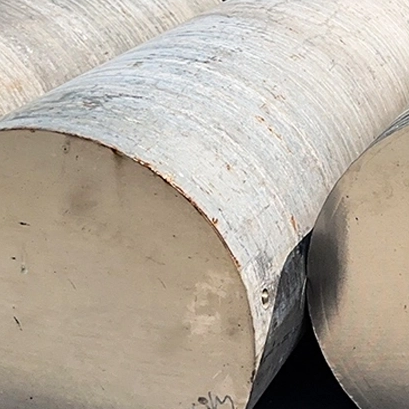
Choosing the right delivery state for an alloy is crucial for ensuring optimal performance in specific applications. Several factors come into play, including application requirements, cost considerations, and performance characteristics.
When selecting a delivery state, it’s essential to consider various factors:
● Application Requirements: Different applications demand specific properties. For instance, aerospace components may require alloys that can withstand extreme temperatures and stresses.
● Cost: The production and processing costs associated with each delivery state can vary significantly. For example, wrought alloys often involve more processing steps, which can increase costs compared to cast alloys.
● Performance: The mechanical properties of the alloy, such as strength and ductility, are influenced by its delivery state. Understanding these properties helps in making informed choices.
Selecting the appropriate delivery state is vital for ensuring that the alloy meets the demands of its intended application. A mismatch can lead to performance failures, increased maintenance costs, or even catastrophic failures in critical components.
● Reliability: Choosing the right state ensures that the alloy performs reliably under expected conditions. For example, using a heat-treated state for tools ensures they maintain their hardness and resist wear.
● Efficiency: Properly selected delivery states can enhance manufacturing efficiency. For instance, using cold-worked alloys can reduce the need for extensive machining, saving time and costs.
Corrosion resistance and mechanical strength are two critical factors in delivery state selection. Different states can significantly affect these properties, impacting the alloy's longevity and performance.
● Corrosion Resistance: Alloys in a solution-annealed state often exhibit superior corrosion resistance, making them suitable for chemical processing applications. This property is essential for components exposed to harsh environments.
● Mechanical Strength: Age-hardened and heat-treated states typically offer enhanced mechanical strength, crucial for applications requiring durability, such as in the automotive and aerospace industries.
Factor | Considerations | Example Applications |
Application Requirements | Specific property needs | Aerospace, automotive components |
Cost | Production and processing expenses | Wrought vs. cast alloys |
Performance | Mechanical properties | Tools, structural components |
Corrosion Resistance | Environmental exposure | Chemical processing equipment |
Mechanical Strength | Load-bearing requirements | Heavy machinery, aerospace parts |
By carefully evaluating these factors, manufacturers can select the most suitable delivery state for each alloy, ensuring optimal performance and longevity in their applications.
Understanding delivery states in alloys is crucial for selecting the right material for various applications. These states significantly influence mechanical properties, corrosion resistance, and overall performance. Alloys play a vital role in modern engineering and manufacturing, ensuring reliability and efficiency in critical components. For those interested in exploring alloy applications further, consider how the products from Bozhong can provide exceptional value. Bozhong offers high-quality solutions tailored to meet industry needs, enhancing performance across various sectors.
A: The 16 delivery states of an alloy include cast, wrought, heat-treated, and more, each offering unique properties.
A: Understanding delivery states is crucial for selecting the right alloy for specific applications, ensuring optimal performance.
A: The delivery state influences mechanical properties, corrosion resistance, and overall durability of the alloy.
A: The cost can vary widely; wrought alloys often involve higher processing costs compared to cast alloys.
A: Consider application requirements, desired properties, and environmental factors when selecting the appropriate delivery state.
A: Age-hardened alloys provide increased strength and durability, making them ideal for high-performance applications.


