
English 
Room501, Building32, No. 518 Xinzhuan Highway, Songjiang District, Shanghai, China 201612
Views: 0 Author: Site Editor Publish Time: 2026-02-17 Origin: Site


Did you know that choosing the right material can make or break your project? ASTM B164 is a crucial standard for nickel-copper alloys, ensuring quality and performance in demanding environments. In this article, we'll explore everything you need to know about ASTM B164, including its chemical composition, mechanical properties, and real-world applications. You'll discover why this standard is vital for industries like marine engineering and chemical processing.
ASTM B164 is a standard specification for nickel-copper alloys, specifically focusing on rods, bars, and wire. It outlines the requirements for materials like Monel 400 and Monel R-405, ensuring they meet specific chemical and mechanical properties.
Key aspects include:
● Definition and Scope: This standard covers the composition and performance of nickel-copper alloys used in various industrial applications. It ensures that products perform reliably under demanding conditions.
● Historical Context and Development: ASTM B164 has evolved over the years to address the changing needs of industries. Initially established to standardize materials, it now reflects advancements in alloy technology and manufacturing processes.
● Key Objectives of the Standard: The main goals are to ensure quality, promote safety, and enhance the performance of materials in critical applications. By adhering to ASTM B164, manufacturers can guarantee their products meet rigorous industry standards.
ASTM B164 plays a vital role across several industries, particularly where reliability is crucial. Its significance can be highlighted through the following points:
● Importance in Various Industries:
○ Marine: Used for components exposed to seawater, ensuring corrosion resistance.
○ Chemical Processing: Ideal for equipment handling corrosive substances, like heat exchangers and storage tanks.
○ Oil and Gas: Essential for pipeline integrity and durability in harsh environments.
● Role in Ensuring Quality and Consistency: Compliance with ASTM B164 means materials undergo rigorous testing and certification. This guarantees they meet the necessary specifications for strength and corrosion resistance.
● Compliance and Regulatory Aspects: Many industries require adherence to ASTM standards for safety and quality assurance. This compliance not only protects end-users but also helps manufacturers avoid costly failures.
Industry | Application | Benefits |
Marine | Seawater systems | Outstanding corrosion resistance |
Chemical Processing | Heat exchanger tubing | Long-lasting performance in acids |
Oil and Gas | Pipeline components | High pressure and corrosion resistance |
Understanding ASTM B164 is essential for anyone involved in industries that rely on nickel-copper alloys. It ensures that the materials used meet the highest standards of quality and performance, ultimately leading to safer and more efficient operations.
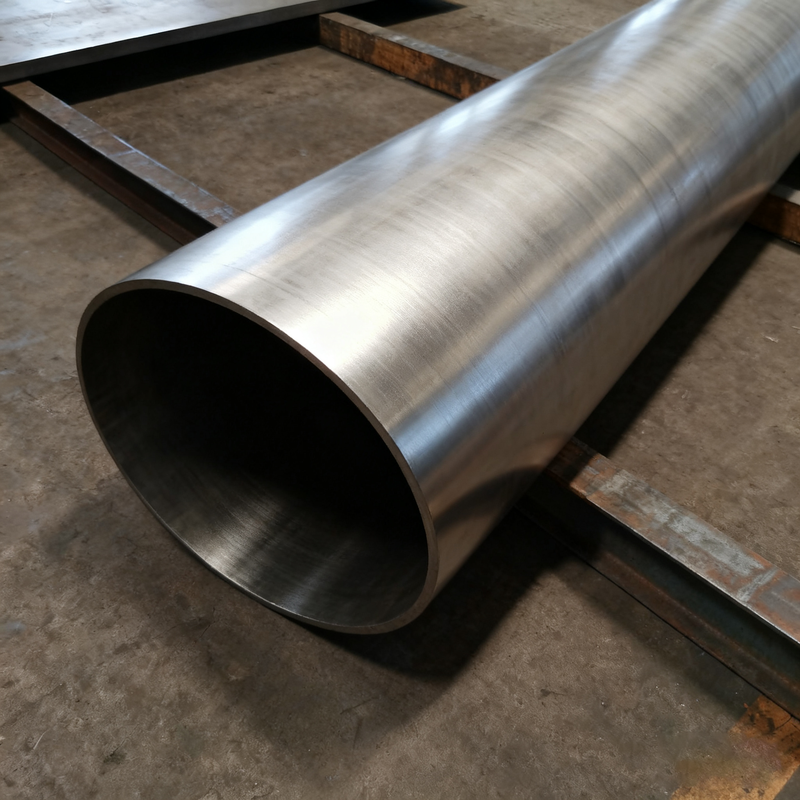
Nickel-copper alloys are a unique blend of nickel and copper, known for their excellent corrosion resistance and mechanical properties. These alloys are primarily used in environments where durability is essential, such as marine and chemical applications.
Common Applications and Benefits:
● Marine Engineering: They resist seawater corrosion, making them ideal for shipbuilding and offshore structures.
● Chemical Processing: These alloys withstand harsh chemicals, ensuring longevity in equipment like reactors and storage tanks.
● Oil and Gas: Their high strength under pressure makes them suitable for pipeline applications.
When it comes to ASTM B164, the chemical composition of alloys like Monel 400 and Monel R-405 is critical. Understanding these compositions helps in selecting the right material for specific applications.
Detailed Composition:
● Monel 400 (UNS N04400):
○ Nickel: 63% minimum
○ Copper: 28% - 34%
○ Iron: 2.5% maximum
○ Manganese: 2% maximum
○ Carbon: 0.3% maximum
○ Silicon: 0.5% maximum
● Monel R-405 (UNS N04405):
○ Similar to Monel 400, but with higher sulfur content, typically around 0.024% maximum. This addition enhances machinability, making it easier to work with during manufacturing processes.
Element | Monel 400 (%) | Monel R-405 (%) |
Nickel | 63% min | 63% min |
Copper | 28-34% | 28-34% |
Iron | 2.5% max | 2.5% max |
Manganese | 2% max | 2% max |
Carbon | 0.3% max | 0.3% max |
Silicon | 0.5% max | 0.5% max |
Sulfur | 0.024% max | 0.024% max |
Comparison of Chemical Properties: Both alloys provide excellent resistance to corrosion, but Monel R-405's increased sulfur content allows for superior machinability. This means it can be shaped and formed more easily than Monel 400, which is beneficial in manufacturing complex parts.
Impact of Composition on Performance: The specific blend of elements in these alloys directly affects their performance. For instance, the high nickel content provides outstanding corrosion resistance, while the copper enhances strength. These properties make ASTM B164 alloys suitable for demanding environments, ensuring they perform reliably over time.
Understanding the mechanical properties of materials like those specified in ASTM B164 is essential for ensuring performance in demanding applications. Here are some key properties:
● Tensile Strength: This measures a material's ability to withstand tension. It indicates the maximum stress a material can endure before failure. For Monel 400, the tensile strength typically ranges from 70,000 to 100,000 psi.
● Yield Strength: This is the stress at which a material begins to deform plastically. For ASTM B164 alloys, yield strength is crucial because it determines how much load the material can bear without permanent deformation. Monel 400 usually has a yield strength around 30,000 psi.
● Elongation: This property measures how much a material can stretch before breaking. It is vital for applications requiring flexibility. Monel 400 exhibits elongation of about 30%, which is beneficial in dynamic environments.
● Hardness Levels: Hardness indicates a material's resistance to deformation. The hardness of Monel alloys is typically measured using the Rockwell scale. A higher hardness level often correlates with better wear resistance.
Property | Monel 400 | Monel R-405 |
Tensile Strength | 70,000 - 100,000 psi | 70,000 - 95,000 psi |
Yield Strength | ~30,000 psi | ~30,000 psi |
Elongation | ~30% | ~25% |
Hardness (Rockwell) | B80 - B90 | B70 - B80 |
To ensure that materials meet the required standards, rigorous testing and certification processes are in place.
● Overview of Testing Methods:
○ Tension Tests: These evaluate tensile strength and yield strength by pulling a sample until it breaks.
○ Hardness Tests: Various methods, such as Rockwell or Brinell, assess a material's hardness.
● Importance of Certification: Compliance with ASTM B164 is crucial for quality assurance. Certification ensures that materials have been tested and meet industry standards, providing confidence to manufacturers and end-users alike.
● How Suppliers Ensure Compliance:
○ Suppliers must conduct regular testing and maintain records. This includes both chemical composition analysis and mechanical property testing.
○ They often refer to ASTM B880 and ASTM E76 for chemical analysis requirements, ensuring that their materials meet the necessary specifications.
By adhering to these testing and certification processes, suppliers can guarantee the reliability and performance of their ASTM B164 materials, making them suitable for various demanding applications.
ASTM B164-compliant materials, particularly nickel-copper alloys, find extensive use across various industries due to their unique properties. Here’s a closer look at some key sectors and their applications.
In marine environments, materials face harsh conditions, making corrosion resistance essential.
● Key Applications:
○ Corrosion-resistant fittings
○ Seawater systems
● Benefits:
○ Outstanding resistance to seawater and brine, ensuring long-term durability.
○ These alloys prevent premature failure, reducing maintenance costs and downtime for vessels and offshore structures.
The chemical processing industry demands materials that can withstand aggressive environments.
● Specific Use Cases:
○ Heat exchanger tubing
○ Storage tanks
● Advantages:
○ Exceptional resistance to acids like hydrofluoric and sulfuric acid.
○ These alloys maintain structural integrity, even in extreme temperatures and corrosive conditions, ensuring safe and efficient operations.
Industry | Application | Benefits |
Marine Engineering | Seawater systems | High corrosion resistance |
Chemical Processing | Heat exchangers, storage tanks | Long-lasting performance in acids |
Oil and Gas | Pipeline components | Strong under pressure |
Aerospace and Defense | Aircraft components | Lightweight yet strong |
The oil and gas industry relies heavily on durable materials for critical applications.
● Importance in Components:
○ Pipeline systems
○ Valve components
● Applications:
○ Subsea fittings and drilling tools that operate in demanding environments.
○ The strength and corrosion resistance of ASTM B164 materials ensure reliability, reducing the risk of leaks and failures.
In aerospace and defense, material performance is non-negotiable.
● Role in High-Strength Components:
○ Used in aircraft structures and components that require both strength and weight reduction.
● Benefits:
○ Lightweight properties combined with high strength enhance fuel efficiency and overall performance.
○ These alloys contribute to safer and more efficient aircraft designs, crucial for modern aviation.
By leveraging the unique properties of ASTM B164-compliant materials, industries can enhance their operational efficiency and safety, ensuring they meet the demands of their respective environments.
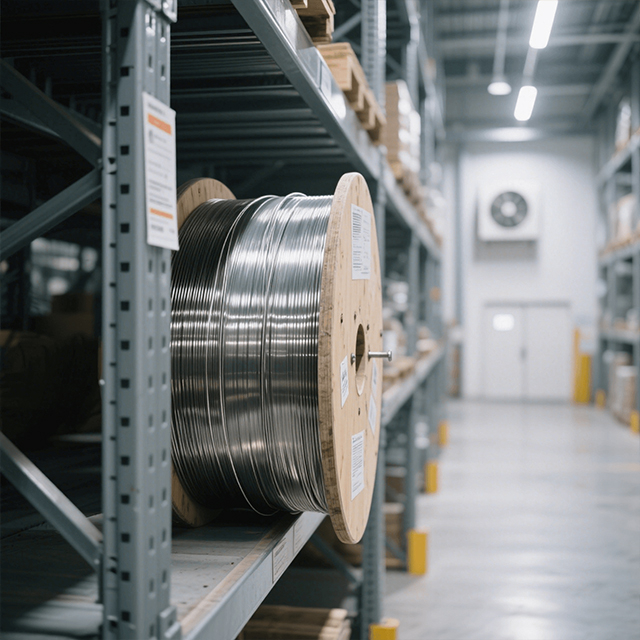
The production of ASTM B164 materials involves specific techniques that impact their mechanical properties.
● Overview of Hot-Rolled vs. Cold-Drawn Processes:
○ Hot-Rolled: This method involves heating the alloy above its recrystallization temperature, making it easier to shape. The resulting material tends to have a rough surface and lower strength.
○ Cold-Drawn: In contrast, this technique shapes the material at room temperature, enhancing its strength and surface finish. Cold-drawn products typically exhibit higher tensile strength and better dimensional accuracy.
● Differences in Mechanical Properties:
○ Hot-rolled products may have lower yield strength but improved ductility.
○ Cold-drawn products show increased tensile strength and hardness, making them suitable for demanding applications.
Production Method | Tensile Strength | Ductility | Surface Finish |
Hot-Rolled | Lower | Higher | Rough |
Cold-Drawn | Higher | Lower | Smooth |
Manufacturing ASTM B164-compliant materials comes with its own set of challenges, particularly due to the properties of nickel-copper alloys.
● Common Difficulties:
○ Machining Toughness: The inherent toughness of these alloys can make machining difficult. Tools wear out faster, leading to increased production costs.
○ Thermal Conductivity Issues: During machining, these alloys can present thermal conductivity challenges, which affect tool performance and material integrity.
● Solutions Employed by Manufacturers:
○ Many manufacturers are adopting advanced machining techniques, such as using specialized cutting tools and optimized cutting speeds, to mitigate these challenges.
○ Additionally, implementing cooling systems during machining helps maintain tool life and material quality.
Quality assurance is critical in the production of ASTM B164 materials. Ensuring compliance with standards requires rigorous quality control processes.
● Importance of Quality Assurance: Maintaining high standards is essential for safety and performance in applications using these materials.
● Key Processes to Maintain Compliance:
○ Regular Inspections and Testing: Conducting chemical composition analyses ensures that materials meet ASTM B164 specifications.
○ Dimensional Accuracy and Tolerance Specifications: Manufacturers implement strict dimensional checks to ensure products fit precisely in their intended applications.
By focusing on these production techniques, challenges, and quality control measures, manufacturers can effectively produce ASTM B164-compliant materials that meet the demands of various industries.
ASTM B164 materials are crucial for various industries due to their unique properties. Their corrosion resistance and mechanical strength make them ideal for marine, chemical, and aerospace applications. Consider using ASTM B164-compliant materials for your next project to enhance durability and performance. For those interested in sourcing high-quality products, Bozhong offers exceptional solutions tailored to meet industry needs. Explore how their products can provide value and reliability in your operations.
A: ASTM B164 is a standard specification for nickel-copper alloys, focusing on their mechanical properties and chemical composition.
A: ASTM B164 materials are widely used in marine engineering, chemical processing, and aerospace due to their corrosion resistance and strength.
A: ASTM B164 ensures that materials meet specific quality and performance criteria, vital for safety and reliability in various applications.
A: Compared to other alloys, ASTM B164 materials offer superior corrosion resistance, making them ideal for harsh environments.
A: Using ASTM B164-compliant products enhances durability, reduces maintenance costs, and improves overall performance in demanding applications.
A: Regular testing and quality control measures are essential to ensure that materials meet ASTM B164 standards during production.


