
English 
Room501, Building32, No. 518 Xinzhuan Highway, Songjiang District, Shanghai, China 201612
Views: 0 Author: Site Editor Publish Time: 2026-02-19 Origin: Site


Are you confident in the nickel alloys you use? Fake materials can jeopardize your projects and safety. Nickel alloys, like Monel and Inconel, are crucial in industries such as aerospace and chemical processing.
In this article, we’ll explore the importance of testing these alloys for authenticity. You’ll learn five effective methods to ensure you’re using genuine nickel alloys, protecting your investments and reputation.
Using fake nickel alloys can lead to serious issues in any project. These materials might seem like a good deal, but the long-term consequences can be devastating. Here’s what you need to know.
Counterfeit nickel alloys can compromise the integrity of your projects. For example, in the aerospace industry, a supplier used substandard Monel in critical components. This led to equipment failures during testing, resulting in costly recalls and reputational damage.
● Long-term Consequences:
○ Equipment failure can lead to downtime, impacting production schedules.
○ Infrastructure damage caused by inferior materials can require extensive repairs.
The financial fallout from using counterfeit materials is significant. It goes beyond the initial purchase price.
● Cost of Replacements and Project Delays:
○ Replacing defective materials can escalate project costs significantly.
○ Delays in project timelines can lead to lost contracts and penalties.
● Loss of Client Trust:
○ Clients may seek legal action if they suffer losses due to your use of subpar materials.
○ A damaged reputation can result in lost future business opportunities.
When it comes to nickel alloys, compliance is non-negotiable. Adhering to industry standards is crucial for maintaining quality and safety.
● Overview of Industry Standards:
○ Standards like ASTM B164 provide guidelines for nickel alloy specifications.
○ Compliance ensures materials meet performance and safety criteria.
● Importance of Compliance with International Standards:
○ Following international standards (like ASTM and ISO) protects your business from legal repercussions.
○ It also builds trust with clients who expect adherence to recognized quality benchmarks.
Consequences of Fake Nickel Alloys | Impact |
Equipment Failures | Downtime and repair costs |
Project Delays | Increased expenses and penalties |
Legal Issues | Loss of client trust and lawsuits |
Using genuine nickel alloys is essential for project success. The risks associated with counterfeit materials can lead to financial losses, regulatory issues, and long-term damage to your reputation. It's always better to prioritize quality over cost when it comes to materials.
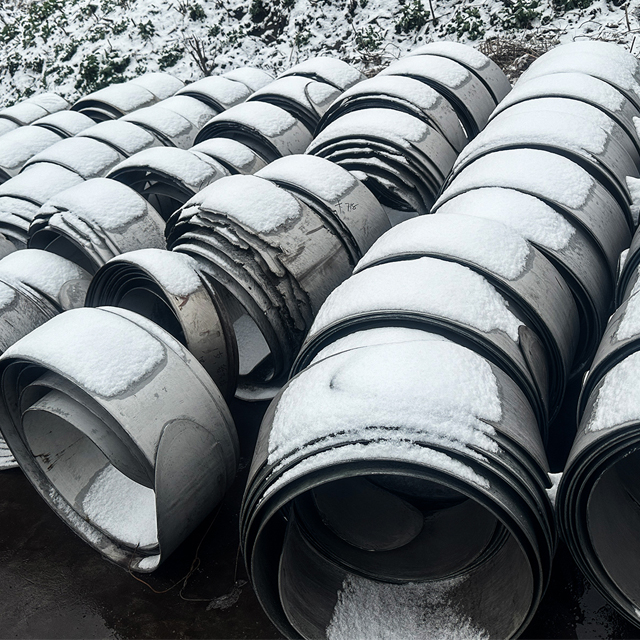
Testing nickel alloys for authenticity is crucial to avoid costly mistakes. With the rise of counterfeit materials in the market, knowing how to verify the quality of your alloys can save you from significant financial losses and project delays. Here are five effective methods to ensure you're using genuine materials.
The magnet test is a quick and simple way to check for nickel alloys. Here's how to do it:
● Step-by-Step Instructions:
○ Take a strong magnet.
○ Bring it close to the alloy sample.
○ Observe the reaction—does it stick?
● Interpreting the Results:
○ A strong attraction indicates the presence of ferrous materials.
○ Weak attraction or no attraction suggests a higher likelihood of a genuine nickel alloy.
● Limitations of the Magnet Test:
○ Some nickel alloys, like Inconel, can exhibit unexpected magnetic properties.
○ Remember, not all non-magnetic materials are pure nickel alloys.
While the magnet test is straightforward, it should be part of a broader testing strategy. Relying solely on this method may lead to misidentifications, especially with certain alloys that have unique magnetic characteristics.
The spark test is a classic method for identifying metal types based on the sparks produced when grinding.
● Conducting the Spark Test:
○ Equipment needed: a grinder and a clean metal surface.
○ Grind the sample and observe the sparks.
● Understanding Spark Colors and Shapes:
○ Different alloys produce distinct spark colors—yellow sparks might indicate high-carbon steel, while white sparks suggest nickel.
○ Additional color codes can reveal further details about the alloy composition.
● Advantages and Disadvantages:
○ This method is reliable for quick assessments but may not be definitive.
○ It’s best used alongside other tests for a comprehensive analysis.
The spark test is particularly useful in a workshop setting, where quick assessments are often needed. However, it’s essential to understand its limitations and use it in conjunction with more precise methods for confirming material quality.
The DMG test is a chemical method that specifically detects nickel.
● Overview of the DMG Test:
○ DMG reacts with nickel to form a pink complex.
○ It’s widely used due to its simplicity and effectiveness.
● Step-by-Step Guide:
○ Prepare a DMG solution.
○ Apply it to the alloy sample.
○ Observe any color change.
● Analyzing the Results:
○ A bright pink color indicates the presence of nickel.
○ Be cautious, as some other metals may interfere with the results.
This test is particularly valuable for situations where you need definitive proof of nickel content. Its simplicity makes it accessible, even for those without advanced testing equipment.
Density is a critical factor in verifying the authenticity of nickel alloys.
● Why Density Matters:
○ Each alloy has a specific density that can be compared against known values.
○ This method helps confirm material quality.
● Calculating Specific Gravity:
○ Use the formula: Specific Gravity = Weight in Air / (Weight in Air - Weight in Water).
○ Measure the weights accurately for reliable results.
● Comparative Analysis:
○ Compare your results with a reference table of common nickel alloys.
Nickel Alloy | Density (g/cm³) |
Monel | 8.80 |
Inconel | 8.19 |
Hastelloy | 8.89 |
Understanding the density of your materials not only verifies authenticity but also provides insight into their performance characteristics. This knowledge can significantly enhance your decision-making process when selecting materials for critical applications.
XRF analysis is a modern technique that provides quick and accurate results.
● What is Portable XRF?:
○ This technology uses X-rays to identify the elemental composition of metals.
○ It’s non-destructive and ideal for on-site testing.
● How to Use a Portable XRF Analyzer:
○ Simply point the device at the sample and activate it.
○ Wait for the results, which are displayed almost instantly.
● Benefits of XRF Analysis:
○ High accuracy and speed make it a preferred choice in many industries.
○ Real-world applications include quality control in manufacturing and recycling.
Investing in portable XRF technology can be a game changer for your operations. The ability to quickly verify material composition on-site not only saves time but also enhances your credibility with clients who demand quality assurance.
Testing nickel alloys doesn’t have to be complicated. By using these five methods, you can ensure the authenticity of your materials and protect your projects from the risks associated with counterfeit alloys. Each method has its strengths, and combining them will give you the most reliable results.
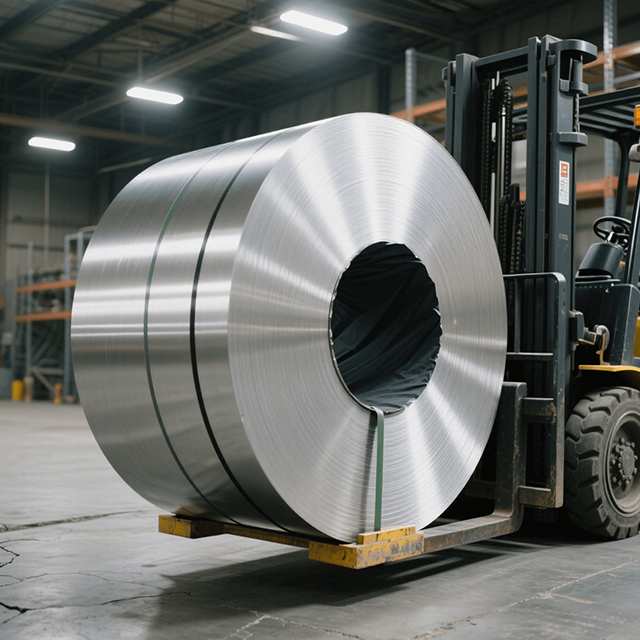
When it comes to nickel alloys, ensuring authenticity is paramount. Here are some practical tips to help you verify the quality of the materials you’re using.
One of the first steps in ensuring authenticity is to request proper documentation from your suppliers.
● Importance of Material Test Reports (MTR) and Inspection Certificates:
○ MTRs provide detailed information about the composition and properties of the alloy.
○ Inspection certificates confirm that the material meets specific industry standards.
● What to Look for in a Credible MTR:
○ Ensure it includes the alloy type, heat number, and chemical composition.
○ Check for signatures or stamps from recognized testing laboratories.
Having the right documentation can save you from potential headaches down the line. It’s your best defense against counterfeit materials.
A physical inspection can reveal a lot about the quality of nickel alloys.
● Key Visual Indicators of Quality and Authenticity:
○ Look for consistent surface finishes and uniform color.
○ Genuine nickel alloys typically have a smooth surface without pitting or irregularities.
● Tips for Identifying Electroplated Items:
○ Check for signs of wear or corrosion, which can indicate a thin coating rather than solid alloy.
○ A magnet test can help; if it sticks, you may be dealing with a plated item.
Physical inspections are a great way to catch potential issues before they escalate.
Sometimes, it’s best to leave testing to the experts. Third-party testing services can provide an unbiased assessment of your materials.
● When and Why to Consider Third-Party Inspections:
○ If you’re unsure about the authenticity of your alloys, third-party testing can provide peace of mind.
○ It’s especially useful for large projects where material failure could result in significant losses.
● Recommended Testing Institutions:
○ SGS: Known for its comprehensive testing services across various industries.
○ TUV: Offers a wide range of certification and inspection services.
○ Intertek: Specializes in quality assurance and safety testing.
Testing Institution | Services Offered |
SGS | Material testing, certification |
TUV | Inspection, quality assurance |
Intertek | Safety testing, compliance checks |
Engaging a reputable third-party service can enhance your credibility and ensure compliance with industry standards. It’s an investment in quality that pays off in the long run.
By following these tips, you’ll be better equipped to ensure the authenticity of your nickel alloys. Whether through documentation, physical inspections, or third-party testing, taking these steps can protect your projects and enhance your reputation in the industry.
Testing nickel alloys is essential for ensuring quality and safety. The article outlines five effective methods for verifying authenticity, including magnet tests and portable XRF analysis. Implementing these methods can help prevent costly mistakes and enhance project integrity. It is crucial to work with reputable suppliers like Bozhong, known for their high-quality nickel alloys. Their products offer unique advantages, ensuring reliability and performance. For further assistance or inquiries about purchasing nickel alloys, feel free to reach out to Bozhong. Share your testing experiences or questions in the comments to foster a community of knowledge.
A: A nickel alloy is a metal made primarily from nickel and other elements, enhancing its strength and corrosion resistance.
A: You can use methods like the magnet test or spark test to verify the quality of nickel alloys.
A: Testing ensures compliance with standards like ASTM B164 and prevents failures in critical applications.
A: High-quality nickel alloys offer superior durability, resistance to corrosion, and better performance in demanding environments.
A: The cost varies depending on the method used, but investing in proper testing can save money by avoiding future failures.
A: Yes, some tests like the magnet test can be done at home, while others may require specialized equipment.


