
English 
Room501, Building32, No. 518 Xinzhuan Highway, Songjiang District, Shanghai, China 201612
Views: 0 Author: Site Editor Publish Time: 2026-02-23 Origin: Site


Did you know that oxidation can dramatically weaken metal alloys? This process threatens the integrity of materials used in critical applications. Understanding oxidation is essential, especially for superalloys, which are designed to resist such deterioration.
In this article, we’ll explore what oxidation is and how it affects alloys. You’ll learn how superalloys combat oxidation, ensuring performance in extreme conditions. Join us as we uncover the mechanisms that make these advanced materials vital across various industries.
Oxidation refers to a chemical reaction where metals react with oxygen, leading to the formation of oxides. This process can be detrimental, especially in alloys.
● Narrow Definition: In a strict sense, oxidation involves the reaction of metals with oxidizing agents, primarily oxygen.
● Broad Definition: More generally, oxidation encompasses any process where metal atoms lose electrons, making them vulnerable to degradation.
Understanding these definitions helps us grasp how oxidation impacts metal performance, particularly in superalloys.
Alloys, which are mixtures of metals, are particularly susceptible to oxidation. When exposed to oxidizing substances, they undergo a series of reactions. Here’s how it typically unfolds:
● Reaction Mechanism: Alloys react with oxygen, forming oxide layers on their surfaces. This can lead to structural weaknesses.
● Accelerating Factors: Several conditions can speed up oxidation:
○ High Temperatures: Elevated temperatures significantly increase the rate of oxidation. For example, superalloys can begin to oxidize rapidly at temperatures above 900°C.
○ Presence of Moisture: Water vapor can enhance the oxidation process, especially in environments with high humidity.
● Role of Oxygen: Oxygen is the most common oxidizing agent. Its abundant presence in nature means that metals are constantly at risk of oxidation, particularly in high-temperature applications.
Understanding the factors that influence oxidation is crucial for selecting materials like superalloys. Here’s a quick overview:
Factor | Description |
Temperature | Higher temperatures accelerate oxidation. |
Humidity | Moisture can enhance oxidation rates. |
Alloy Composition | Certain elements can either resist or promote oxidation. |
By knowing these factors, engineers can better design superalloys to withstand harsh environments and prolong their lifespan. These advanced materials are essential in industries like aerospace and power generation, where performance is critical.
In summary, oxidation is a vital concept in metallurgy, especially concerning superalloys. Understanding how oxidation occurs and the factors that influence it can help in developing more resilient materials.
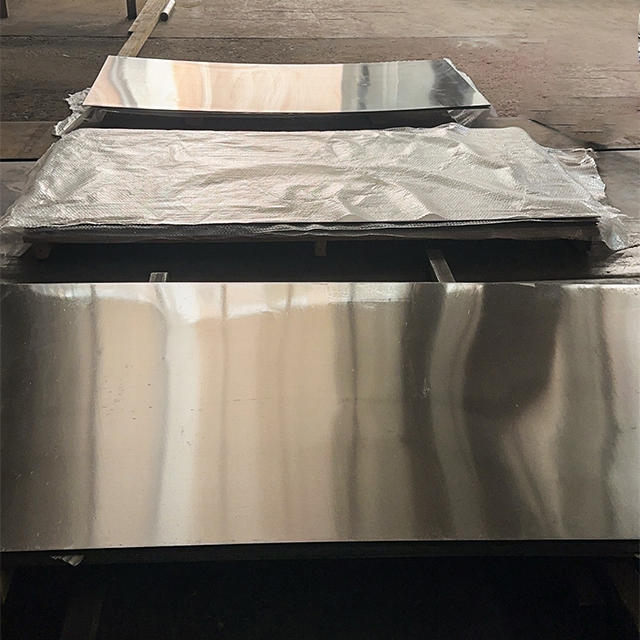
Oxidation can significantly compromise the integrity of metal alloys. When alloys are exposed to oxygen, they form oxide layers that can lead to structural degradation over time. This process is not just theoretical; it has real-world implications.
● Effects on Integrity: Oxidation weakens the bonds within the alloy, making it more susceptible to failure. As the oxide layer thickens, it can flake off, exposing fresh metal underneath to further oxidation.
● Examples of Degradation:
○ Nickel Alloys: In high-temperature applications, nickel-based superalloys can experience rapid oxidation, leading to loss of mechanical strength.
○ Iron Alloys: Carbon steels can rust and corrode, reducing their load-bearing capacity significantly.
To illustrate these points, consider the following table showing the impact of oxidation on different alloys:
Alloy Type | Oxidation Rate | Resulting Degradation |
Nickel Alloys | High | Loss of creep strength |
Carbon Steels | Moderate | Formation of rust and corrosion |
Cobalt Alloys | Low | Minimal degradation under optimal conditions |
The performance of alloys is closely tied to their resistance to oxidation. When oxidation occurs, it can lead to several mechanical issues that affect their usability in critical applications.
● Mechanical Properties: Oxidation affects key mechanical properties, including:
○ Creep Strength: Prolonged exposure to high temperatures can lower the creep resistance of superalloys, making them less effective in turbine applications.
○ Fatigue Strength: Oxidation can initiate cracks, reducing the fatigue life of components subjected to cyclic loading.
● Real-World Implications: Industries like aerospace, automotive, and energy heavily rely on the performance of superalloys. For instance:
○ In aerospace, turbine blades made from superalloys must withstand extreme temperatures and oxidative environments. Oxidation can lead to catastrophic failures if not managed properly.
○ In the automotive sector, components like exhaust manifolds are prone to oxidation, which can result in costly repairs and downtime.
● Internal Oxidation: This phenomenon occurs when oxidation penetrates the alloy, leading to crack propagation. As internal oxidation progresses, it creates voids and weakens the material. This is particularly concerning in high-performance applications where reliability is critical.
In summary, the impact of oxidation on alloys is profound. Understanding these effects helps in selecting the right materials for various applications, especially when considering superalloys that are engineered to resist such degradation. By recognizing the structural and performance implications, industries can make informed decisions to enhance durability and longevity in their products.
Superalloys are advanced materials designed to withstand extreme environments, particularly high temperatures and corrosive conditions. They are crucial in industries like aerospace and energy, where performance is non-negotiable.
● Types of Superalloys:
○ Nickel-Based Superalloys: These are the most common type, known for their excellent high-temperature strength and oxidation resistance. Examples include Inconel and Hastelloy.
○ Cobalt-Based Superalloys: These alloys offer superior wear resistance and are often used in applications requiring high strength at elevated temperatures.
○ Iron-Based Superalloys: While less common, these alloys are used in specific applications where cost-effectiveness is essential.
● Key Characteristics:
○ High-Temperature Strength: Superalloys maintain their mechanical properties at temperatures exceeding 1000°C.
○ Oxidation and Corrosion Resistance: These materials form protective oxide layers, which shield them from degradation.
○ Fatigue Resistance: Superalloys can endure cyclic loading without significant loss of performance, making them ideal for turbine components.
Here’s a quick comparison of the three types of superalloys:
Type | Key Advantages | Common Applications |
Nickel-Based | Excellent oxidation resistance | Turbine blades, jet engines |
Cobalt-Based | Superior wear resistance | Gas turbines, nuclear reactors |
Iron-Based | Cost-effective, good mechanical properties | Automotive components |
The development of superalloys has been driven by the demands of modern engineering. As industries evolved, so did the materials used to meet their challenges.
● Evolution in Response to Industrial Needs: The need for materials that could withstand high temperatures and corrosive environments became critical during World War II. This led to rapid advancements in superalloy technology.
● Key Milestones:
○ 1940s: The introduction of nickel-based superalloys marked a significant breakthrough. These materials were initially developed for military aircraft engines.
○ 1950s: The use of superalloys expanded into commercial aviation, significantly enhancing engine performance and efficiency.
○ 1970s and Beyond: Continuous improvements in alloy compositions and processing techniques have resulted in superalloys that can operate at even higher temperatures and under more demanding conditions.
Superalloys have come a long way, shaped by both technological advancements and the evolving needs of industries. As we look to the future, ongoing research will likely yield even more resilient materials, ensuring superalloys remain at the forefront of engineering solutions.
Alloying elements play a critical role in enhancing the oxidation resistance of superalloys. These elements not only improve mechanical properties but also help form protective barriers against corrosive environments.
● Key Antioxidant Elements:
○ Chromium: The most significant antioxidant element, chromium improves oxidation resistance by forming a stable oxide layer (Cr2O3) that protects the underlying metal.
○ Aluminum: This element contributes to the formation of aluminum oxide (Al2O3), which is known for its excellent protective qualities.
○ Silicon: While less common, silicon can enhance oxidation resistance by forming silicate layers that further protect the alloy.
These elements work synergistically to create a robust defense against oxidation, making superalloys suitable for high-temperature applications.
The protective oxide layers formed by these alloying elements are crucial for maintaining the integrity of superalloys under harsh conditions.
● Cr2O3 and Al2O3 Formation:
○ Chromium Oxide (Cr2O3): This oxide layer forms quickly when chromium is exposed to oxygen. It adheres strongly to the surface, providing a barrier against further oxidation.
○ Aluminum Oxide (Al2O3): Similarly, aluminum reacts with oxygen to create a dense, stable layer that effectively shields the alloy from corrosive agents.
● Conditions for Effectiveness:
○ These oxide layers are most effective at elevated temperatures where they can maintain their protective properties. However, they can degrade if subjected to extreme conditions, such as prolonged exposure to molten salts or high humidity.
● Stability at Different Temperatures:
○ The stability of these oxide layers varies with temperature. For instance, Cr2O3 remains stable up to approximately 1200°C, while Al2O3 can withstand even higher temperatures.
Here’s a table summarizing the properties of these oxide layers:
Oxide Type | Formation Temperature | Stability Range | Key Characteristics |
Cr2O3 | 600°C | Up to 1200°C | Strong adhesion, protective |
Al2O3 | 700°C | Up to 1400°C | Dense, excellent barrier |
The combination of these protective oxide layers ensures that superalloys can perform reliably in extreme environments, such as those found in gas turbines and aerospace applications. By understanding the mechanisms behind oxidation resistance, engineers can better select and design materials for demanding tasks.
Temperature plays a crucial role in determining the oxidation resistance of superalloys. Different oxide films form optimally at specific temperature ranges, impacting their protective capabilities.
● Optimal Temperature Ranges:
○ Chromium Oxide (Cr2O3): This oxide layer is most effective between 600°C and 1200°C. Within this range, it provides a robust barrier against oxidation.
○ Aluminum Oxide (Al2O3): Al2O3 performs best at higher temperatures, typically above 700°C, where its dense structure enhances protection.
● Influence on Alloying Elements:
○ Temperature influences the selection of alloying elements. For instance, at higher temperatures, the addition of aluminum becomes critical to form Al2O3, while chromium remains essential across a broader range.
Understanding these temperature dynamics helps engineers design superalloys that maintain their integrity under varying operational conditions.
The combination of various alloying elements can significantly enhance oxidation resistance. This synergistic effect is crucial for developing high-performance superalloys.
● Enhancing Oxidation Resistance:
○ Combinations of chromium, aluminum, and silicon create complex oxide layers that are more effective than single-element oxides. For example, the presence of both chromium and aluminum can lead to the formation of a protective layer that combines the strengths of Cr2O3 and Al2O3.
● Case Studies:
○ Inconel 718: This nickel-based superalloy contains both chromium and aluminum, providing exceptional resistance to oxidation and high-temperature corrosion. It’s widely used in aerospace applications due to its reliability.
○ Haynes 230: Another superalloy that showcases the synergistic effect of multiple elements, including tungsten and molybdenum, which enhance its oxidation resistance at elevated temperatures.
● Role of Refractory Metals:
○ Refractory metals like molybdenum and tungsten not only improve high-temperature strength but also contribute to corrosion resistance. They form stable oxides that protect the base metal, making them valuable additions to superalloy formulations.
Here’s a table summarizing the effects of these elements:
Alloying Element | Role in Oxidation Resistance | Example Superalloy |
Chromium | Forms Cr2O3, a protective layer | Inconel 718 |
Aluminum | Forms Al2O3, enhances durability | Haynes 230 |
Molybdenum | Improves strength and corrosion resistance | Waspaloy |
By understanding how temperature and alloying elements interact, manufacturers can tailor superalloys to meet the demanding requirements of various industries, ensuring performance and longevity.
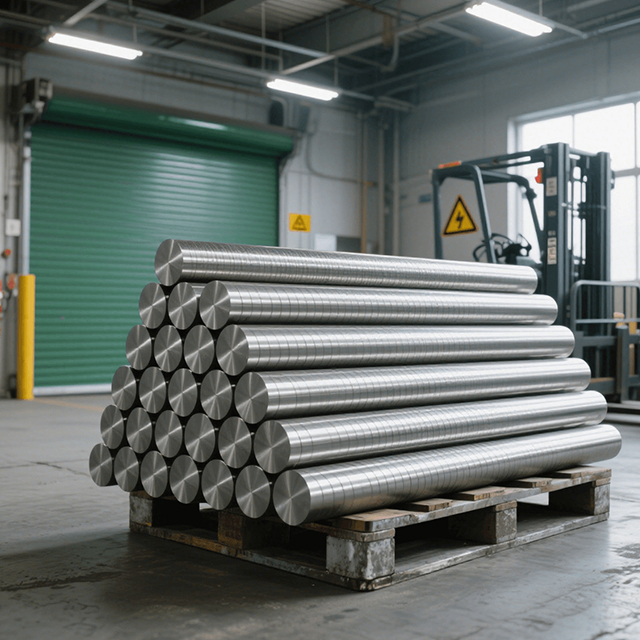
Material testing is essential for understanding how superalloys will perform in real-world conditions. Evaluating oxidation resistance helps in selecting the right materials for demanding applications.
● Overview of Testing Methods:
○ Thermogravimetric Analysis (TGA): Measures weight changes of a sample as it is heated, providing insights into oxidation rates.
○ Oxidation Tests: Conducted at elevated temperatures to simulate service conditions and assess the formation of oxide layers.
○ Simultaneous Thermal Analyzer (STA): Combines TGA and differential thermal analysis (DTA) to evaluate both weight loss and thermal properties simultaneously.
The STA is particularly valuable for superalloy development, as it allows researchers to understand how materials behave under thermal stress.
Understanding the results from an STA is crucial for informed material selection. This analysis provides detailed insights into oxidation behavior.
● What STA Measures:
○ Weight Changes: The STA tracks how much weight a superalloy loses due to oxidation, indicating the effectiveness of protective oxide layers.
○ Thermal Stability: It assesses how well materials maintain their properties under temperature fluctuations, which is vital for high-performance applications.
● Real-World Examples:
○ In the development of Inconel 625, STA results showed how the alloy maintained stability at high temperatures, leading to its widespread use in aerospace and marine environments.
○ For Haynes 230, STA data helped identify optimal alloy compositions that improved oxidation resistance, making it suitable for gas turbine components.
● Replicating Thermal Cycles:
○ The STA can simulate the thermal cycles experienced by superalloys in service, providing valuable data on how they will perform over time. This replication helps engineers predict long-term behavior under operational stresses.
Here’s a quick overview of how these testing methods contribute to material selection:
Testing Method | Key Benefits | Application in Superalloys |
Thermogravimetric Analysis (TGA) | Measures weight loss due to oxidation | Evaluates oxidation rates |
Oxidation Tests | Simulates real-world conditions | Assesses protective oxide formation |
Simultaneous Thermal Analyzer (STA) | Combines weight and thermal analysis | Informs material design choices |
By leveraging these testing methods, engineers can ensure that superalloys meet the rigorous demands of various industries, enhancing reliability and performance in critical applications.
Superalloys are essential in the aerospace sector, where they are used in components that must withstand extreme temperatures and stresses.
● Key Applications:
○ Turbine Blades: Superalloys like Inconel 718 and Rene 80 are commonly used for turbine blades due to their high-temperature strength and oxidation resistance.
○ Combustors: These components require materials that can handle intense thermal and mechanical loads. Superalloys provide the necessary durability.
○ Exhaust Systems: The harsh conditions in exhaust systems demand materials that resist oxidation and corrosion, making superalloys the ideal choice.
For instance, Inconel 625 is often employed in aerospace applications for its excellent oxidation resistance and ability to maintain performance under high stress.
In the power generation industry, superalloys play a vital role in enhancing efficiency and reliability.
● Gas Turbines: Superalloys are critical in gas turbines, where they operate at elevated temperatures. Their ability to resist oxidation improves turbine efficiency and extends service life.
● Heat Exchangers: These components benefit from superalloys due to their corrosion resistance, which is essential for maintaining performance in high-temperature operations.
The use of superalloys in these applications can significantly extend maintenance intervals, reducing downtime and operational costs.
Superalloys also find applications in chemical processing and high-performance automotive components.
● Chemical Reactors: In environments where corrosive chemicals are present, superalloys provide the necessary resistance to oxidation and degradation, ensuring safety and longevity.
● Automotive Components: Superalloys are used in parts like exhaust manifolds and turbochargers, where high performance and durability are crucial.
The benefits of using superalloys in these industries include:
● Reduced Downtime: Their durability leads to less frequent replacements and repairs.
● Enhanced Efficiency: Superalloys maintain performance under extreme conditions, contributing to overall system efficiency.
Here’s a quick overview of superalloy applications across different industries:
Industry | Key Applications | Notable Superalloys Used |
Aerospace | Turbine blades, combustors, exhausts | Inconel 718, Rene 80 |
Power Generation | Gas turbines, heat exchangers | Inconel 625, Haynes 230 |
Chemical Processing | Chemical reactors | Hastelloy C-276, Inconel X-750 |
Automotive | Exhaust systems, turbochargers | Inconel 600, Waspaloy |
By leveraging the unique properties of superalloys, these industries can achieve higher performance, safety, and efficiency in their operations.
This article explores the oxidation of alloys and how superalloys resist it. Superalloys are vital in high-temperature environments, particularly in aerospace, power generation, and chemical processing. Selecting the right materials ensures optimal performance in demanding applications. Companies like Bozhong offer superior superalloy products that enhance durability and efficiency. Their commitment to innovation and quality supports ongoing research in superalloy technology, providing tailored solutions for various industry needs.
A: Oxidation in alloys refers to the chemical reaction between the alloy and oxygen, leading to the formation of oxides. This process can degrade the material's properties over time.
A: Superalloys resist oxidation through the formation of protective oxide layers, such as chromium and aluminum oxides, which shield the underlying metal from further corrosion.
A: Superalloys are used in high-temperature applications because they maintain strength and oxidation resistance, making them ideal for environments like gas turbines and aerospace components.
A: The advantages of superalloys include exceptional strength, resistance to oxidation and corrosion, and the ability to perform reliably at elevated temperatures.
A: Choosing the right superalloy involves considering factors like operating temperature, environmental conditions, and specific mechanical requirements to ensure optimal performance.


