
English 
Room501, Building32, No. 518 Xinzhuan Highway, Songjiang District, Shanghai, China 201612
Views: 0 Author: Site Editor Publish Time: 2025-12-11 Origin: Site


Ever seen one Nickel Alloy listed under three different codes? That confusion delays orders and risks wrong material choices. This article explains why one gade carries UNS and W.Nr. numbers. It shows how global standards name the same Nickel Alloy. You will learn how to read these codes with confidence. You will also avoid costly sourcing and certification mistakes.
A specification is not a brand name and not a marketing label. It is the technical identity of a material. It defines what a Nickel Alloy truly is in terms of chemistry, mechanical performance, and testing requirements. Without a correct specification, a material cannot be reliably verified or certified.
One Nickel Alloy grade often has three parallel identities. It has a trade name that is easy to communicate in daily business. It also has a UNS number used in American standards, and a W.Nr. number used in European standards. All three may describe the same alloy, but they come from different standardization systems.
Trade names such as Monel, Inconel, and Hastelloy are useful for quick communication. However, they do not define strict chemical limits or testing rules. Different producers may use the same trade name with slightly different interpretations. For this reason, contracts and engineering documents rely on formal specification systems instead of brand names.
The true identity of a Nickel Alloy always comes from its chemical composition. Nickel content determines the base corrosion resistance. Chromium improves oxidation and scaling resistance. Molybdenum improves resistance to pitting and crevice corrosion. Copper improves resistance to certain acids. Even small changes in composition can lead to major differences in corrosion behavior and service life.
Another source of confusion comes from welding materials. Base metal and welding consumables are designed for different functions. Welding wires often contain additional silicon or manganese to improve fluidity and arc stability during welding. These small additions change the chemical limits, which is why welding materials use different specification systems from base alloys.
A clear example is Monel 400. Monel 400 is the trade name. Its UNS number is N04400. Its European W.Nr. number is 2.4360. These three names all describe the same Nickel Alloy grade, even though they come from three different naming systems.
Trade Name | UNS Number | W.Nr. Number | Alloy Family |
Monel 400 | N04400 | 2.4360 | Nickel-Copper |
Inconel 600 | N06600 | 2.4816 | Nickel-Chromium |
Inconel 625 | N06625 | 2.4856 | Nickel-Chromium-Molybdenum |
Alloy 20 | N08020 | 2.4660 | Nickel-Iron-Chromium |
Hastelloy C-276 | N10276 | 2.4819 | Nickel-Molybdenum-Chromium |
UNS stands for Unified Numbering System. It is a global material identification system used across both ferrous and non-ferrous metals. For Nickel Alloy grades, every UNS code begins with the letter “N,” followed by five digits that uniquely identify the alloy. This system was developed to eliminate confusion caused by different national naming conventions and to provide one unified reference for engineers, buyers, and inspectors worldwide.
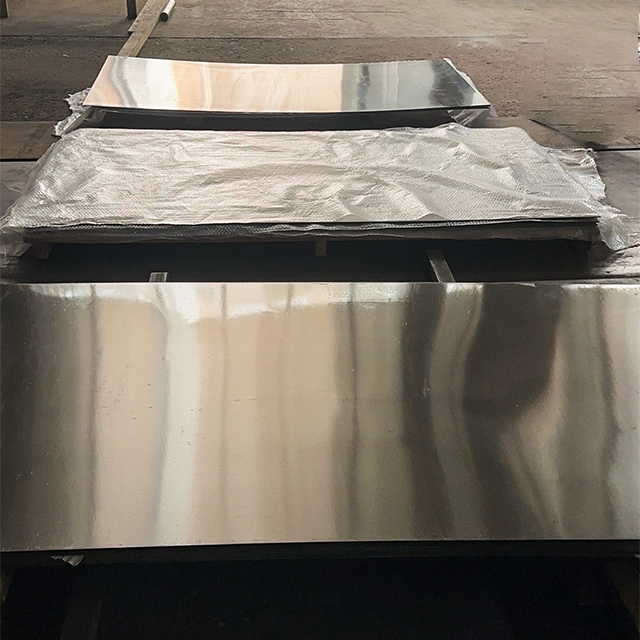
A typical UNS code such as N06625 is structured in a very clear and logical way. The “N” confirms that the alloy is nickel-based, while the five digits distinguish it from all other Nickel Alloy grades. Unlike trade names, which can vary among suppliers or regions, UNS numbers always represent a fixed chemical composition range and a clearly defined alloy family. This makes the system easy to recognize and reliable across different technical environments.
UNS is used as the core reference in major American and international standards. ASTM uses UNS numbers in virtually all Nickel Alloy material specifications, including plates, pipes, bars, and forgings. ASME also relies heavily on UNS for pressure equipment standards, especially in boilers, heat exchangers, and pressure vessels. This makes UNS the legal identity of a Nickel Alloy grade in design, manufacturing, testing, and final inspection.
Mill test certificates reference UNS numbers to confirm full compliance with the specified material grade. Inspection reports rely on UNS to verify material acceptance during incoming quality control. Engineering drawings often require the UNS number to ensure that the selected Nickel Alloy meets the correct technical standard before fabrication even begins. Without the UNS reference, material verification becomes unreliable and open to interpretation.
UNS also plays a critical role in preventing grade confusion across borders. Trade names may vary slightly by region or even from one producer to another. Marketing names may differ even for chemically similar products. UNS, however, remains globally consistent. When buyers request a UNS number, they receive a clearly defined Nickel Alloy that can be directly checked against ASTM or ASME standards. This consistency protects both buyers and suppliers by reducing disputes, preventing wrong material delivery, and ensuring full traceability throughout the supply chain.
From a practical viewpoint, UNS is also essential for digital material management. Many ERP systems, procurement platforms, and inspection databases rely on UNS as the primary Nickel Alloy identifier. This allows materials to be tracked efficiently from production to final installation, which is increasingly important in regulated industries such as energy, aerospace, and chemical processing.
W.Nr. is short for Werkstoffnummer, which is the German material numbering system. It is widely adopted across Europe and is deeply integrated into DIN and EN standards. In many European projects, W.Nr. serves as the primary material identification code and is treated as the legal reference for material approval and inspection.
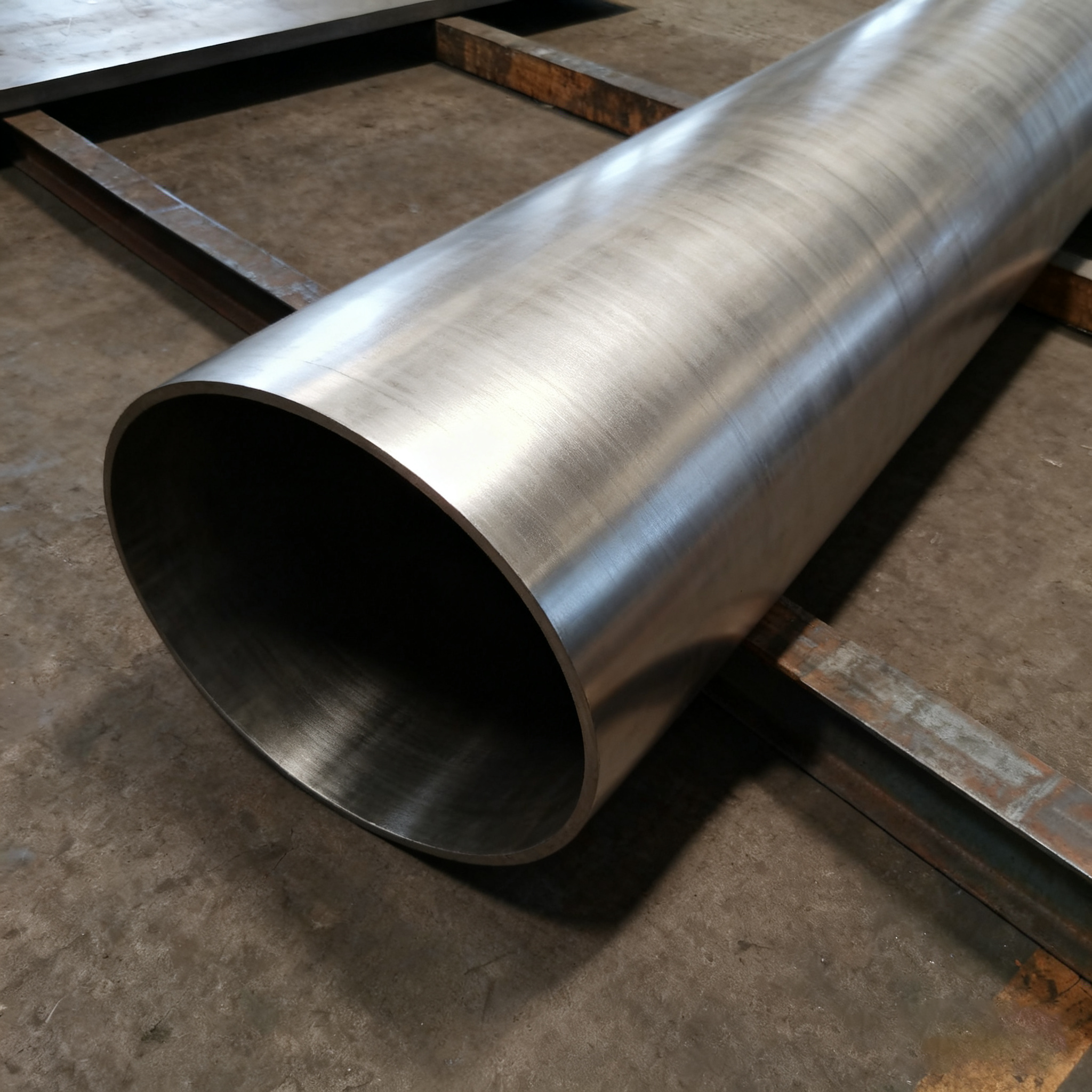
Unlike UNS, which combines letters and digits, W.Nr. uses only numbers and includes a dot within the code. Common examples include 2.4816 and 2.4360. The first digit identifies the general material family. For many Nickel Alloy grades, this digit is “2,” which indicates a non-ferrous alloy. The remaining four digits define the exact grade within that family. This numeric format provides a compact yet precise way to classify materials.
This system has been used in European engineering for decades and is deeply embedded in industrial practice. Many European technical drawings reference W.Nr. instead of trade names or UNS codes. Pressure equipment directives, machinery regulations, and government procurement documents often require W.Nr. numbers for material verification. In regulated industries such as chemical processing, energy, and pressure vessel manufacturing, W.Nr. identification is not optional but mandatory.
If you supply Nickel Alloy to European markets, you will encounter W.Nr. on contracts, drawings, inspection plans, and certificates. Material acceptance often depends directly on whether the W.Nr. matches the required EN standard. Even if the material also carries a UNS number, European inspectors usually rely on W.Nr. as the final authority.
Each W.Nr. corresponds directly to one Nickel Alloy grade. For example, 2.4360 corresponds to Monel 400, which is widely used in marine and chemical environments. The number 2.4816 corresponds to Inconel 600, often selected for high-temperature and oxidation-resistant applications. The number 2.4856 corresponds to Inconel 625, known for its strength and corrosion resistance in offshore conditions. The number 2.4660 corresponds to Alloy 20, commonly used in sulfuric acid processing. The number 2.4819 corresponds to Hastelloy C-276, which offers exceptional resistance to strong acids.
These numeric identities allow engineers and inspectors to verify materials quickly and reliably without relying on commercial brand names. They also allow direct comparison between different suppliers as long as the same W.Nr. appears on certificates. In practice, many European projects display both W.Nr. and UNS on technical documents to ensure full international compatibility, especially when materials are sourced globally.
From a quality control perspective, W.Nr. also supports full traceability. Heat numbers, batch records, and inspection reports are commonly tied to W.Nr. references, making audits and compliance checks more efficient. As a result, understanding W.Nr. is essential for any company working with Nickel Alloy in European-regulated industries.
W.Nr. Number | UNS Number | Common Name | Typical Application |
2.4360 | N04400 | Monel 400 | Marine equipment, chemical tanks |
2.4816 | N06600 | Inconel 600 | Heat exchangers, furnace parts |
2.4856 | N06625 | Inconel 625 | Offshore pipelines, pressure vessels |
2.4660 | N08020 | Alloy 20 | Sulfuric acid processing |
2.4819 | N10276 | Hastelloy C-276 | Strong acid chemical reactors |
UNS and W.Nr. both identify Nickel Alloy grades, but they originate from different industrial systems and serve different regional standards. The most visible difference lies in their code format. UNS uses a letter followed by five digits. W.Nr. uses only numbers with a dot in the middle.
Another key difference is regional dominance. UNS is dominant in the United States and Canada. W.Nr. dominates Germany and the broader European Union. Asian markets often accept both systems, especially in export-driven manufacturing.
The selection of which system to use depends on the governing standard of the project. If a project follows ASTM or ASME, UNS is required. If a project follows EN or DIN, W.Nr. is required. Many international projects now display both systems to avoid confusion.
Using both codes together improves clarity in global trade. It reduces disputes during inspection. It minimizes confusion during material substitution review. It also speeds up acceptance during customs clearance and third-party certification.
A well-prepared Nickel Alloy purchase order usually lists the trade name, the UNS number, the W.Nr. number, and the applicable material standard. This full identification ensures that all parties work with the same technical definition of the material.
Knowing UNS and W.Nr. codes is only the first step. The real value comes from using them correctly in daily engineering and procurement work. Engineers typically begin the selection process based on service conditions. They analyze temperature limits, corrosion exposure, pressure requirements, and mechanical loads.
From these conditions, they select the appropriate UNS grade to meet the required performance. If the project is governed by European standards, that UNS grade is then converted into the corresponding W.Nr. number. This ensures that the same Nickel Alloy performance is maintained across different regional systems.
Buyers face another challenge during procurement. They often receive substitution proposals from suppliers. Some substitutes look similar on paper but do not offer the same corrosion resistance or mechanical reliability. Using both UNS and W.Nr. allows buyers to verify true equivalency, detect downgraded materials, and prevent hidden substitutions.
This practice directly protects project safety and long-term asset reliability. It also prevents costly rework caused by incorrect material deliveries. On a proper Nickel Alloy purchase order, both UNS and W.Nr. should appear alongside the trade name and standard reference. This eliminates ambiguity at every stage from order placement to final inspection.
Welding introduces another layer of complexity to Nickel Alloy specification. Base metals and welding consumables are not governed by the same identification rules. Welding materials follow AWS standards rather than UNS alone.
Typical welding material standards include AWS A5.11 and AWS A5.14. These standards focus on welding performance, arc stability, and joint quality rather than on base metal chemistry alone. This is why welding designations such as ERNiCrMo-3 and ENiCu-7 are commonly used.
Although these welding wires belong to the same Nickel Alloy families as their base metals, their exact chemical composition is intentionally adjusted. Higher silicon content improves weld pool flow. Controlled manganese content improves weld stability. These modifications change the chemical limits slightly.
As a result, welding materials often carry different UNS numbers from the base alloys. This difference is not an error. It is a deliberate engineering choice. Engineers must understand this distinction and ensure that weld joints still meet corrosion and mechanical performance requirements. Ignoring this difference may lead to premature joint failure or unexpected corrosion.
This article explains how UNS serves as the global standard for Nickel Alloy, while W.Nr. acts as the core European identification system. Using both together helps prevent material mistakes, sourcing disputes, and certification risks. Correct specification supports safe engineering and compliant procurement. Shanghai Bozhong Metal Group Co., Ltd. provides high-quality Nickel Alloy products with reliable standards, strong consistency, and professional supply services that add long-term value to global projects.
A: It is a global code that uniquely identifies each Nickel Alloy grade.
A: It is the European identification number for Nickel Alloy under EN and DIN systems.
A: They serve different regions but define the same Nickel Alloy composition.
A: List both codes to avoid Nickel Alloy grade substitution and disputes.
A: No, welding consumables follow AWS, not standard Nickel Alloy base codes.
A: Yes, mismatched codes often cause order delays and rework costs.


