
English 
Room501, Building32, No. 518 Xinzhuan Highway, Songjiang District, Shanghai, China 201612
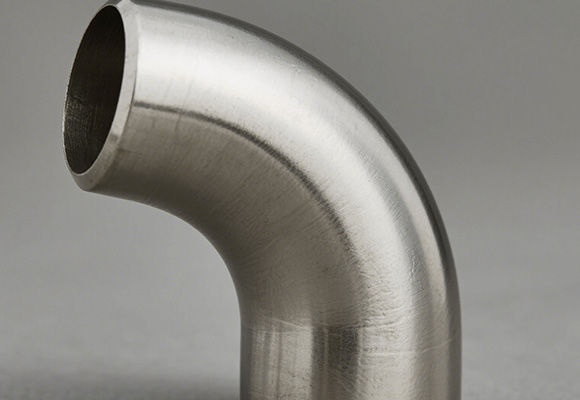
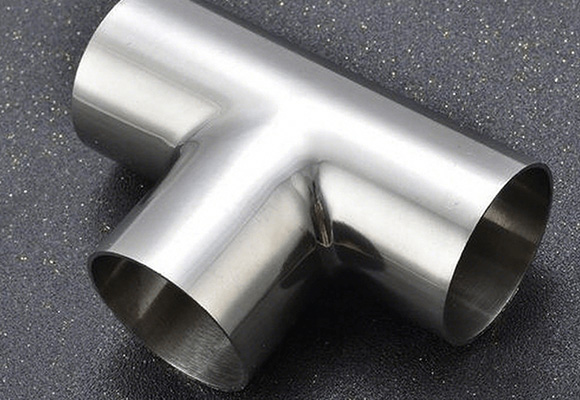
Nickel-based alloy pipe fittings, with their excellent properties such as high temperature resistance, corrosion resistance, and high strength, play an indispensable role in numerous industrial fields. Here is a detailed introduction to the application matrix of nickel-based alloy pipe fittings:
 |  |  |
In the energy sector, nickel-based alloy pipe fittings have extensive applications. In thermal power generation, parts such as superheaters and reheaters of boilers are in a long-term high-temperature and high-pressure environment, and the flue gas contains a large number of corrosive components. Nickel-based alloy pipe fittings can withstand such harsh conditions and ensure the stable operation of the equipment. The nuclear reactor cooling system of nuclear power plants has extremely high requirements on the corrosion resistance and strength of materials. Due to their excellent performance, nickel-based alloy pipe fittings have become key components for transporting coolants in the system, ensuring the safe operation of nuclear reactions.
The chemical industry is also an important application field for nickel-based alloy pipe fittings. In the production and transportation of strong acids such as sulfuric acid and hydrochloric acid, ordinary metal pipe fittings are easily corroded. However, nickel-based alloy pipe fittings have excellent chemical corrosion resistance and can be used to make connecting pipes for reaction kettles, pipes for transporting strong acids, etc. In fertilizer production, which involves the treatment of various corrosive gases and liquids, nickel-based alloy pipe fittings can effectively resist the erosion of these media and ensure the smooth progress of the production process.
In terms of marine engineering, seawater is highly corrosive, especially seawater containing a large amount of salt, which can cause severe electrochemical corrosion to metal materials. Nickel-based alloy pipe fittings are widely used in the pipeline systems of seawater desalination equipment, oil pipelines of offshore oil platforms, and submarine gas pipelines, etc. They can maintain good performance under long-term seawater immersion and scouring, and prolong the service life of the equipment.
The aerospace field has extremely strict requirements on material performance, and nickel-based alloy pipe fittings play a significant role here. In aero-engines, parts such as combustion chambers and connecting pipes of turbine blades need to withstand extremely high temperatures and pressures. Nickel-based alloy pipe fittings, with their high temperature resistance and high strength, can meet the working requirements of these components and ensure the normal operation of the engine. In the propulsion system of space rockets, the pipelines for transporting fuel and oxidizer also often use nickel-based alloys to cope with extreme working environments.
In addition, in the medical field, nickel-based alloy pipe fittings are used in some special medical equipment. For example, in the cooling system of nuclear magnetic resonance equipment, pipes with corrosion resistance and good thermal conductivity are needed, and nickel-based alloy pipe fittings can meet these requirements. In the food processing industry, for some pipeline systems that require high-temperature sterilization and have extremely high hygiene requirements, nickel-based alloy pipe fittings are also applied due to their characteristics of being not easy to rust and easy to clean.
To sum up, nickel-based alloy pipe fittings play an important role in many fields such as energy, chemical industry, marine engineering, aerospace, medical care, and food processing. Their application matrix reflects their adaptability and reliability in various harsh environments.


