What are the common designations and trade names for Alloy 690?
Common equivalencies include: UNS No. N06690; ASTM/ASME grade 690; Chinese grade 0Cr30Ni60Fe10 (obsolete) / Inconel 690 (trade name, registered trademark of Special Metals); French RCC-M designation Z8CNDW32.21; Japanese YUS series equivalent NS3105.
What are the standard size ranges?
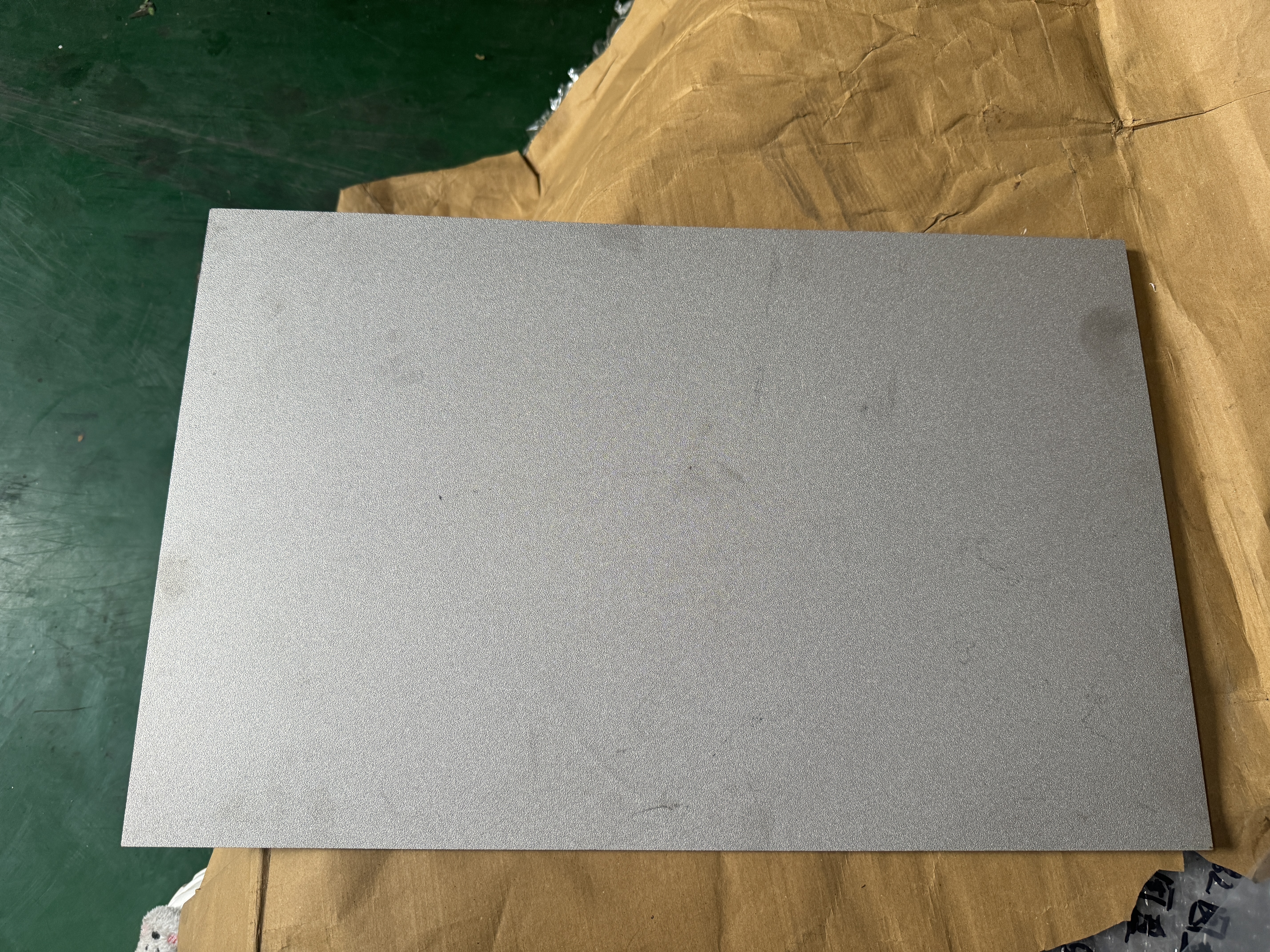
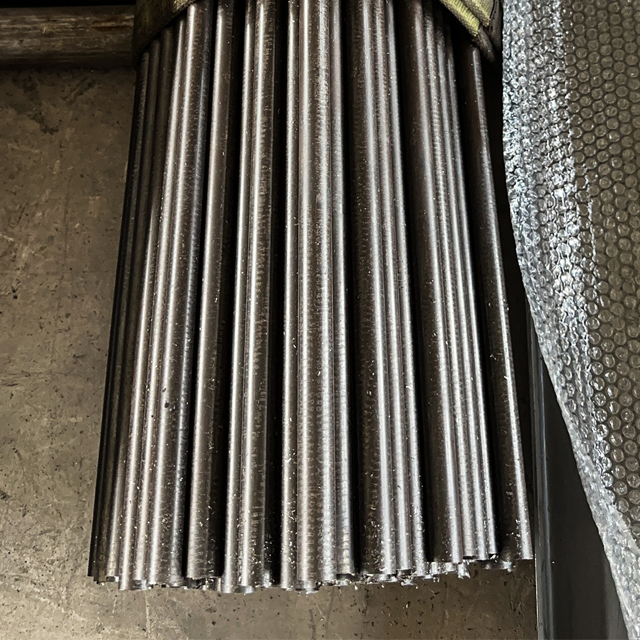
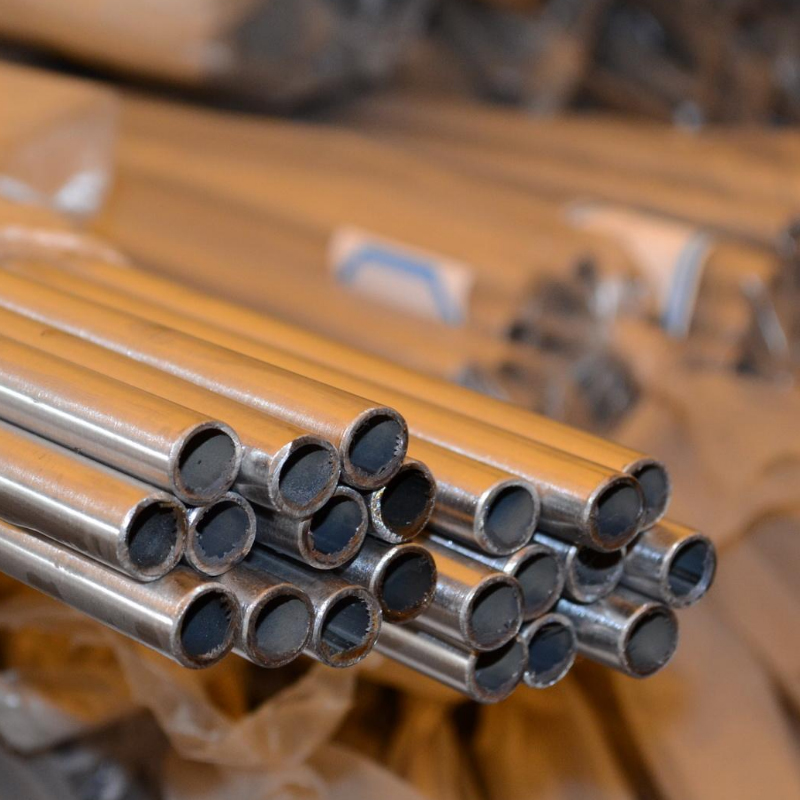
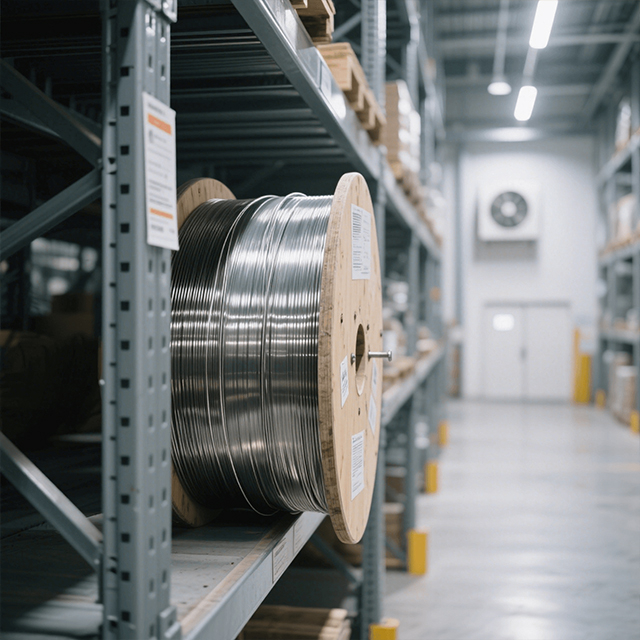
Seamless tube: OD φ6–89 mm, wall 0.5–8 mm; plate: 3–50 mm thick, width up to 1500 mm; bar: diameter φ20–300 mm. For sizes outside these ranges, please provide a drawing or detailed specification; we will confirm producibility and quote accordingly.
Which standards apply?
Common standards include ASTM B163 (heat-exchanger tube), ASTM B166 (bar/wire), ASME SB-163 / SB-166 (boiler and pressure vessels), AMS 5667 (aerospace bar), GB/T 14992 (Chinese corrosion-resistant alloys), and RCC-M M4104 (French nuclear code). Please specify the governing standard and revision at the time of inquiry; we will note it on the contract and MTC.
Why is Alloy 690 more corrosion-resistant than Alloy 600?
The key reason is the increase in chromium from about 16% to about 30%. The higher Cr content forms a more stable, denser Cr₂O₃ passive film on the surface and reduces grain-boundary chromium depletion, giving Alloy 690 outstanding resistance to stress corrosion cracking (SCC) and intergranular attack (IGA) in high-temperature oxygenated water and chloride environments.
What NDE is performed on tube material?
Standard inspection for seamless tube includes100%eddy-current testing (ECT),hydrostatic testing (PWT at the specified pressure),dimensional and visual surface inspection. Nuclear-grade tubing additionally receives ultrasonic testing (UT), eddy-current sorting,and100%hydraulic testing.Testing is per ASTM E213,E243,or the applicable nuclear code.
Where is Alloy 690 primarily used?
Key applications include:pressurized-water reactor(PWR)nuclear steam generator tubing(the dominant use), petrochemical hydrocracking and reformer heat exchangers, flue-gas desulfurization(FGD)systems,waste-incinerator combustors,heat-treatment furnace rolls and baskets,and nuclear control-rod drive mechanisms.
Is it difficult to machine?
It is a difficult-to-machine material with a strong work-hardening tendency.We recommend low cutting speeds,high feeds,sharp tools,and generous cooling (preferably a sulphurised cutting fluid or extreme-pressure emulsion).Carbide or high-speed-steel tools are preferred.Dry machining is not recommended,as surface work-hardening can impair subsequent corrosion resistance.