Detailed Introduction to Inconel 718
Inconel 718 alloy composed primarily of nickel, chromium, and iron, with additions of niobium and molybdenum. Available in solution-treated or precipitation-hardened conditions, it offers stable chemical properties and excellent oxidation resistance across a temperature range from -250°C to 1000°C. Notably, it maintains high strength, corrosion resistance, and toughness at elevated temperatures up to 700°C, making it ideal for demanding industrial applications.
I. Chemical Composition
Inconel 718 is a nickel-based age-hardening superalloy, characterized by high nickel, high chromium, and high niobium contents. The nickel content can reach 50%-55%, forming the matrix framework of the alloy. The main chemical compositions are shown in the following table:
Ni | Cr | Fe | Nb | Mo | Ti | Al | V | C | Mn | Si | Cu | Co | B | P | S |
50-55% | 17-21% | Balance | 4.75-5.5% | 2.8-3.3% | 0.65-1.15% | 0.2-0.8% | 0.05-0.3% | ≤0.08% | ≤0.35% | ≤0.35% | ≤0.3% | ≤1.0% | ≤0.006% | ≤0.01% | ≤0.01% |
II. Physical Properties
Density | Melting Point | Alloy and Condition | Tensile Strength | Yield Strength | Elongation | Brinell Hardness |
8.24g/cm³ | 1260-1320℃ | Inconel 718 (solution annealed and aged) | Approximately 1240MPa at room temperature; approximately 1030MPa at 650℃ | Up to 1000MPa at room temperature; approximately 860MPa at 650℃ | About 12% at room temperature | Approximately 320 HB |
III. Execution Standards
It can meet most ASME, ASTM and other standards, and can be referenced with most international standards.
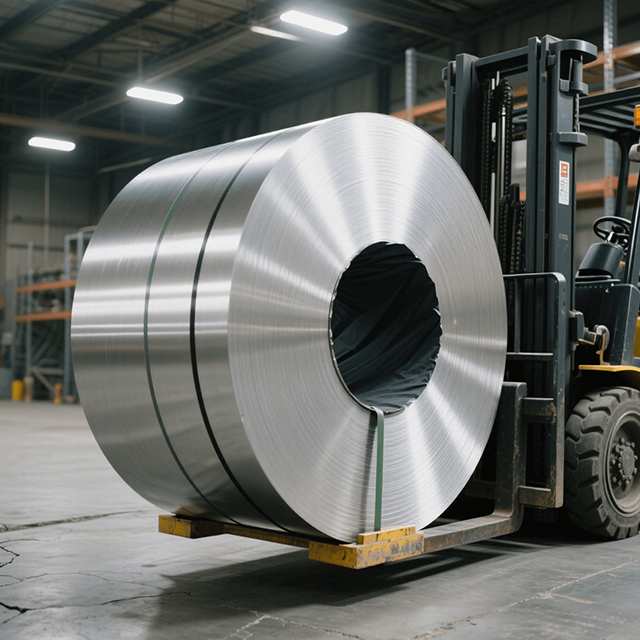
Common sheet standards such as ASTM B670 specify the chemical composition, mechanical properties, dimensional tolerances, etc., of Inconel 718 sheets.
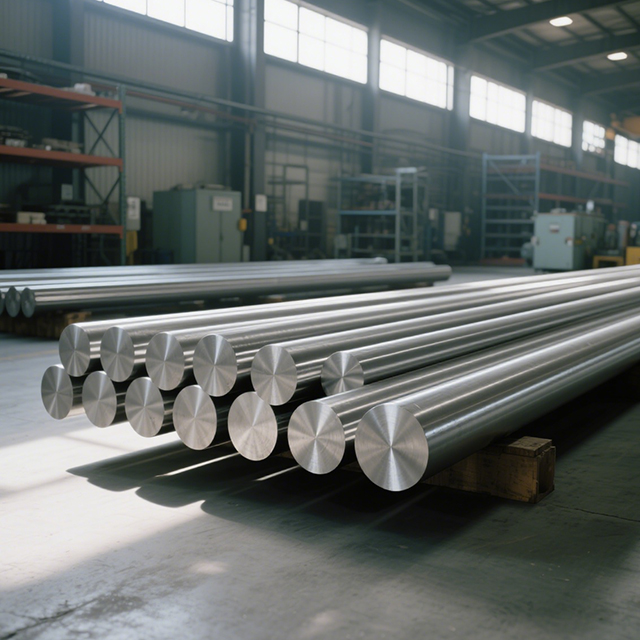
Bar standards such as ASTM B637 clearly regulate various performance indicators of bars.
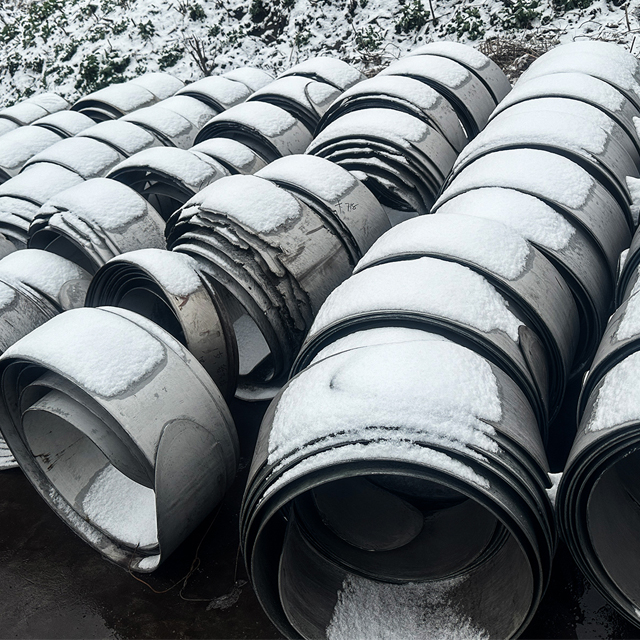
Pipe standards such as ASTM B670 ensure the quality stability of pipes during production and use.
Other common standards include ASME BPVC.II.B-2019 SB-637, AMS 5663N, TMP L718 00015, EN 10269 SB 637, etc.
IV. Product Characteristics
Machinability: The alloy can be reasonably processed into complex parts. It can be well processed by turning, milling, drilling, grinding and other processing methods, with high processing efficiency, which can meet different processing needs.
High Strength: At 700℃, it has high tensile strength, fatigue strength, creep resistance and fracture strength; at room temperature, the yield strength can reach 1000MPa, which can withstand large loads and stresses, ensuring the safety and reliability of parts during use.
High Temperature Resistance: It can maintain excellent strength and toughness below 650℃, and can maintain good mechanical properties even in short-term use up to 1100℃, which is suitable for working scenarios in high-temperature environments.
Oxidation Resistance: It has high oxidation resistance at 1000℃, and can be used in high-temperature oxidation environments for a long time without being severely corroded, extending the service life of the product.
Chemical Stability: It has stable chemical properties at low temperatures, and no obvious chemical changes will occur in low-temperature environments, ensuring its normal operation under low-temperature working conditions.
Good Weldability: It has good welding characteristics, especially strong resistance to post-weld cracks, and the welded joint has high strength, which can meet the requirements of various welded structures.
Corrosion Resistance: It shows strong corrosion resistance in corrosive media such as salt, acid, alkali, and humid and hot environments, which can effectively resist the erosion of corrosive media and reduce the maintenance cost of equipment.