
English 
Room501, Building32, No. 518 Xinzhuan Highway, Songjiang District, Shanghai, China 201612
Views: 0 Author: Site Editor Publish Time: 2026-09-08 Origin: Site


Inconel alloys are vital in extreme environments. But which is better: Inconel 600 or 625? Choosing the right alloy affects performance and cost. In this post, you’ll learn about their properties, differences, and best uses across industries.
Table of Contents
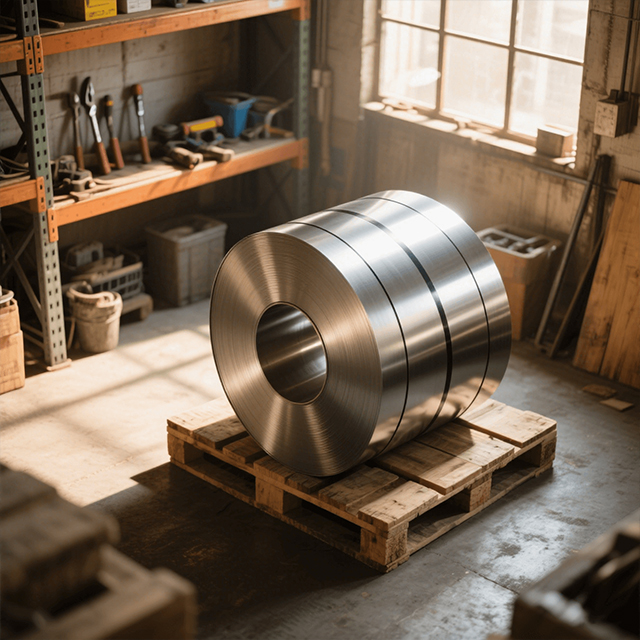
Inconel 600 is a nickel-based alloy primarily made of:
Nickel (Ni): About 72%
Chromium (Cr): Around 14-17%
Iron (Fe): Approximately 6-10%
This blend gives Inconel 600 its solid solution strengthening, which means it gains strength from the way these elements mix at the atomic level. Unlike some alloys, it does not rely on precipitation hardening. The absence of molybdenum distinguishes it from other nickel alloys, affecting its corrosion resistance and mechanical behavior.
Inconel 600 offers a great balance of strength and flexibility:
Property | Value |
|---|---|
Density | 8.47 g/cm³ |
Melting Point | ~1413°C (2580°F) |
Tensile Strength | ~655 MPa (95,000 psi) |
Yield Strength (0.2%) | ~310 MPa (45,000 psi) |
Elongation | About 40% |
Its tensile and yield strengths make it suitable for high-stress environments. The 40% elongation means it can stretch significantly before breaking, which aids workability during manufacturing.
Inconel 600 excels in resisting oxidation and corrosion, especially at elevated temperatures. The chromium content forms a protective oxide layer that shields the surface from harsh environments. It can withstand temperatures up to about 1095°C (2000°F), making it ideal for heat-intensive applications.
However, its corrosion resistance is not as high as alloys containing molybdenum, such as Inconel 625. It performs well against oxidizing agents but is less resistant to reducing environments or chloride-induced corrosion.
Due to its properties, Inconel 600 finds use in several industries:
Heat Treating Equipment: Retorts, muffles, and furnace components where heat resistance is critical.
Aerospace: Engine components like exhaust liners, turbine seals, and fasteners that face high temperatures.
Electronics: Parts such as cathode-ray tube spiders and tube support members requiring corrosion resistance and stability.
Chemical Processing: Equipment exposed to oxidizing chemicals but not highly aggressive reducing agents.
Its versatility across temperatures from cryogenic to above 2000°F makes it a reliable choice for many demanding applications.
Tip: When selecting Inconel 600 for manufacturing, remember it is not precipitation hardenable, so strengthening comes from cold working; plan your fabrication processes accordingly to achieve desired mechanical properties.
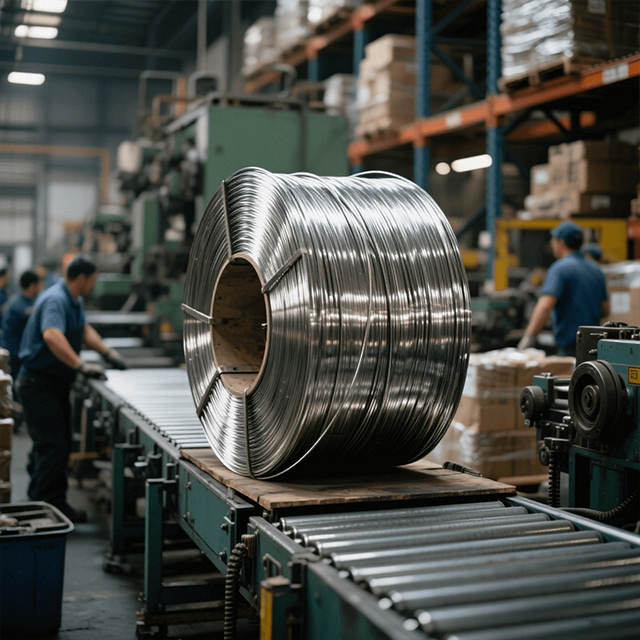
Inconel 625 is a nickel-based superalloy known for its high strength and excellent corrosion resistance. Its chemical makeup includes:
Nickel (Ni): Approximately 58% minimum
Chromium (Cr): Around 20-23%
Molybdenum (Mo): About 8-10%
Iron (Fe): Roughly 5%
This composition differs significantly from Inconel 600, mainly due to the addition of molybdenum and a higher chromium content. Molybdenum plays a crucial role in enhancing resistance to pitting and crevice corrosion, especially in chloride-rich environments. The nickel base ensures good toughness and strength, while chromium adds oxidation resistance.
Inconel 625 offers impressive mechanical properties that make it suitable for extreme environments:
Property | Value |
|---|---|
Density | 8.44 g/cm³ |
Melting Point | ~1350°C (2460°F) |
Tensile Strength | ~930 MPa (135,000 psi) |
Yield Strength (0.2%) | ~517 MPa (75,000 psi) |
Elongation | About 42.5% |
Its tensile and yield strengths are significantly higher than Inconel 600, allowing it to withstand greater mechanical stress. The elongation percentage indicates good ductility, which helps during fabrication and forming processes.
Inconel 625 stands out for its superior corrosion resistance, especially in harsh environments:
Oxidation Resistance: The high chromium content forms a stable oxide layer that protects the surface at elevated temperatures.
Resistance to Chloride Ions: Thanks to molybdenum, it resists pitting and crevice corrosion caused by chlorides, common in marine and chemical environments.
Reduction Environments: It withstands reducing agents better than Inconel 600, expanding its usability in various chemical processing applications.
This robust corrosion resistance makes it a preferred choice in marine, nuclear, and chemical processing industries where exposure to aggressive conditions is frequent.
Due to its strength and corrosion resistance, Inconel 625 is widely used in demanding fields:
Aerospace: Structural components, jet engine parts, and exhaust systems that require high strength at elevated temperatures.
Chemical Processing: Heat exchangers, reactors, and piping exposed to corrosive chemicals.
Petrochemical Industry: Equipment handling sour gas and other aggressive substances.
Marine Applications: Shipbuilding, offshore platforms, and seawater systems where chloride corrosion is a concern.
Nuclear Industry: Components exposed to high radiation and corrosive environments.
Its versatility and durability make it a reliable material for applications requiring long-term resistance to stress and corrosion.
Tip: When selecting Inconel 625, consider its excellent resistance to chloride-induced corrosion for marine and chemical environments to maximize component lifespan and reduce maintenance costs.
Inconel 600 and 625 both base their strength and corrosion resistance on nickel, chromium, and iron, but their proportions vary notably. Inconel 600 contains about 72% nickel, which is higher than Inconel 625's minimum 58% nickel. This higher nickel content in 600 ensures excellent toughness and good corrosion resistance in oxidizing environments.
Chromium content is another key difference. Inconel 600 has roughly 14-17% chromium, while Inconel 625 contains more—around 20-23%. This elevated chromium in 625 enhances its oxidation resistance, allowing it to perform better at high temperatures and in aggressive environments.
Iron content in Inconel 600 is about 6-10%, slightly higher than Inconel 625's approximate 5%. Iron adds to the alloy's strength but is less influential in corrosion resistance compared to nickel and chromium.
One of the most important distinctions lies in molybdenum. Inconel 600 contains no molybdenum, whereas Inconel 625 includes about 8-10%. Molybdenum significantly boosts resistance to pitting and crevice corrosion, especially in chloride-rich or reducing environments.
This element also contributes to Inconel 625's superior strength and stability at high temperatures. By enhancing the alloy's ability to resist localized corrosion, molybdenum makes 625 ideal for marine, chemical processing, and nuclear applications.
These compositional differences directly affect how each alloy performs. Inconel 600, with its high nickel and moderate chromium, excels in oxidizing environments and offers good general corrosion resistance. It is well-suited for heat treating, aerospace, and electronics where moderate corrosion resistance and strength suffice.
In contrast, Inconel 625's higher chromium and molybdenum content provide enhanced corrosion resistance, especially against chlorides and reducing agents. This makes it the better choice for harsher chemical environments, marine applications, and high-stress aerospace components.
Iron's lower presence in 625 helps maintain ductility and toughness despite its higher strength. Overall, the chemical makeup of Inconel 625 allows it to handle more aggressive conditions and mechanical demands than Inconel 600.
Tip: When selecting between Inconel 600 and 625, prioritize the presence of molybdenum in 625 for superior corrosion resistance in chloride or reducing environments.
Both Inconel 600 and 625 resist oxidation well due to their chromium content forming a protective oxide layer. However, Inconel 625 has a higher chromium percentage, around 20-23%, compared to Inconel 600’s 14-17%. This difference means 625 forms a more stable and durable oxide layer, especially at elevated temperatures. As a result, 625 outperforms 600 in resisting oxidation in harsh, high-heat environments.
A key factor setting Inconel 625 apart is its molybdenum content, roughly 8-10%, absent in Inconel 600. Molybdenum significantly improves resistance to pitting and crevice corrosion caused by chloride ions. This makes 625 highly suitable for chloride-rich environments like seawater or chemical processing plants. In contrast, 600 is more prone to localized corrosion in these conditions.
Furthermore, Inconel 625 handles reducing environments better. It withstands attacks from reducing agents that can degrade other alloys. Inconel 600’s lack of molybdenum limits its resistance here, making it less ideal for aggressive chemical processing or marine applications involving reducing substances.
Due to its superior resistance to chloride-induced corrosion and reducing agents, Inconel 625 is preferred in marine and nuclear industries. It performs well in seawater, offshore platforms, and reactor components where corrosion resistance is critical for safety and longevity.
Inconel 600, while still corrosion-resistant, is better suited for oxidizing environments and moderate conditions. It finds more use in heat treating, aerospace, and electronics, where chloride exposure is minimal.
Tip: For environments involving chlorides or reducing chemicals, choose Inconel 625 to ensure long-lasting corrosion protection and reduce maintenance needs.
Inconel 600 and 625 both have densities close to 8.4 g/cm³, but slight differences exist:
Inconel 600: 8.47 g/cm³
Inconel 625: 8.44 g/cm³
This minor difference stems from their chemical compositions. Inconel 600's higher nickel and iron content slightly increase its density compared to 625.
Regarding melting points, Inconel 600 melts at about 1413°C (2580°F), which is higher than Inconel 625's melting point of around 1350°C (2460°F). The lower melting point of 625 relates to its alloying elements, particularly molybdenum, which affects its phase stability and melting behavior.
Inconel 625 clearly outperforms 600 in strength:
Property | Inconel 600 | Inconel 625 |
|---|---|---|
Tensile Strength | ~655 MPa (95,000 psi) | ~930 MPa (135,000 psi) |
Yield Strength (0.2%) | ~310 MPa (45,000 psi) | ~517 MPa (75,000 psi) |
This difference results from 625's higher chromium and molybdenum content, which enhance solid solution strengthening and overall mechanical performance.
The higher tensile and yield strengths make Inconel 625 better suited for applications requiring superior load-bearing capacity and resistance to deformation under stress.
Elongation measures ductility, or how much a material can stretch before breaking. Both alloys show good ductility, but Inconel 625 has a slight edge:
Inconel 600: ~40% elongation
Inconel 625: ~42.5% elongation
This suggests 625 is marginally more flexible during forming or machining. The presence of molybdenum and optimized alloying in 625 helps maintain ductility despite increased strength.
Workability-wise, Inconel 600 is known for good formability and ease of fabrication, partly because it is not precipitation hardenable and relies on cold working for strengthening.
Inconel 625, while stronger, also offers good workability but may require more careful processing due to its complex composition and higher strength.
Tip: When selecting between Inconel 600 and 625, consider Inconel 625 for applications needing higher strength and slightly better ductility, but plan fabrication processes to manage its more complex alloying.
Inconel 600 is widely used in heat treating applications due to its excellent resistance to high temperatures and oxidation. It often appears in:
Retorts and muffles: These are furnace components that need to withstand intense heat without degrading.
Roller hearths: Used in continuous heat treatment processes, where durability and heat resistance are critical.
Furnace components: Parts exposed to oxidizing atmospheres at elevated temperatures benefit from Inconel 600’s protective oxide layer.
In the aeronautical sector, Inconel 600 serves in engine parts that face extreme heat, such as:
Exhaust liners: They must resist oxidation and thermal fatigue.
Turbine seals: These components require strength and stability under thermal cycling.
Fasteners and lockwire: They maintain mechanical integrity at high temperatures.
Its combination of heat resistance, corrosion resistance in oxidizing environments, and good workability makes it ideal for these uses.
Inconel 625 excels in environments demanding superior corrosion resistance and mechanical strength. Its typical applications include:
Aerospace: Structural components, jet engine parts, and exhaust systems that endure extreme temperatures and stresses.
Chemical processing: Heat exchangers, reactors, and piping systems exposed to aggressive chemicals, especially chlorides and reducing agents.
Petrochemical industry: Equipment handling sour gas and corrosive substances where long-term durability is crucial.
Marine applications: Shipbuilding, offshore platforms, and seawater systems benefit from its resistance to chloride-induced corrosion.
Nuclear industry: Components exposed to radiation and harsh chemical environments rely on its robust corrosion resistance.
Inconel 625’s higher chromium and molybdenum content provide outstanding protection in these challenging conditions, extending component life and reducing maintenance.
Selecting between Inconel 600 and 625 depends on the specific requirements of your project:
Use Inconel 600 if: The environment involves high temperatures but mostly oxidizing conditions, and cost efficiency is important. It suits heat treating equipment and moderately corrosive aerospace parts.
Choose Inconel 625 if: The application involves aggressive chemical environments, chloride exposure, or requires higher mechanical strength. It’s the preferred alloy for marine, chemical processing, and high-stress aerospace uses.
Consider factors like corrosion type, temperature range, mechanical load, and budget. While 625 offers superior performance, 600 can be more economical when its properties meet the needs.
Tip: Match alloy selection to environmental conditions—Inconel 600 for oxidizing heat applications; Inconel 625 for chloride-rich, high-stress environments—to optimize performance and cost.
Inconel 600 is widely recognized and standardized under several ASTM and UNS designations. Key standards include:
ASTM B163: Covers condenser and heat exchanger tubes made from Inconel 600.
ASTM B167 & B829: Apply to seamless pipes manufactured from this alloy.
ASTM B516 & B751: Define requirements for welded tubes.
ASTM B366: Covers welded fittings, such as elbows and tees.
ASTM B166: Specifies standards for round rods and bars.
ASTM B564: Pertains to forgings.
ASTM B168 & B906: Include plate, sheet, strip, and foil products.
The UNS number for Inconel 600 is N06600, which helps in identifying this alloy consistently across global specifications and suppliers. These standards ensure uniformity in chemical composition, mechanical properties, and manufacturing processes, facilitating reliable use in various industries.
Inconel 625 also has comprehensive ASTM and UNS standards, reflecting its broad industrial use:
ASTM B444 & B829: Standards for seamless pipes made from Inconel 625.
ASTM B704 & B751: Cover welded tubes.
ASTM B366: Applies to welded fittings, shared with Inconel 600.
ASTM B446: Defines requirements for round rods and bars.
ASTM B564: Pertains to forgings, also common with Inconel 600.
ASTM B443: Covers plate, sheet, strip, and foil products.
The UNS designation for Inconel 625 is N06625. These standards guarantee that Inconel 625 products meet strict quality and performance criteria, crucial for its use in demanding applications like aerospace, chemical processing, and marine environments.
Cost is a significant factor when choosing between Inconel 600 and 625. Generally, Inconel 625 is more expensive than Inconel 600. Reasons include:
Higher alloying content: Inconel 625 contains more chromium, molybdenum, and other expensive elements.
Complex processing: The alloy’s composition requires advanced manufacturing techniques, adding to production costs.
Enhanced performance: Its superior corrosion resistance and mechanical strength justify the higher price in critical applications.
In contrast, Inconel 600 offers a more economical option when extreme corrosion resistance or high strength is not essential. It is suitable for many heat treating and aerospace applications where cost efficiency matters.
Choosing the right alloy depends on balancing performance needs and budget:
Select Inconel 600 if:
The environment is mostly oxidizing, not chloride-rich or highly corrosive.
Mechanical loads are moderate.
Cost savings are a priority without compromising essential properties.
Application involves heat treating, furnace components, or moderate aerospace parts.
Opt for Inconel 625 if:
Exposure to harsh chemicals, chlorides, or reducing agents occurs.
Higher tensile and yield strength are required.
Long-term durability and reduced maintenance justify the investment.
Applications include marine, nuclear, petrochemical, or advanced aerospace components.
Understanding these cost-performance trade-offs helps engineers and procurement teams make informed decisions, ensuring reliability without overspending.
Tip: When budgeting for nickel alloys, prioritize Inconel 600 for moderate conditions and Inconel 625 for aggressive environments to optimize cost-effectiveness and performance.
Inconel 600 has a density of about 8.47 g/cm³, making it slightly denser than Inconel 625, which has a density around 8.44 g/cm³. This minor difference comes from their distinct chemical compositions. Both alloys are heavier than common metals like aluminum but lighter than some stainless steels and titanium alloys. The density impacts weight considerations in design, especially for aerospace and marine applications where every gram counts.
Inconel 600 does not rust in the traditional sense because it forms a protective chromium oxide layer on its surface. This layer prevents iron oxidation, which causes rust in steels. However, Inconel 600 can corrode under certain aggressive conditions, particularly in chloride-rich or reducing environments. Still, it resists oxidation and general corrosion well in oxidizing atmospheres, making it suitable for many high-temperature and chemical applications.
Yes, Inconel 600 can be welded safely, but it requires careful control during the process. Some key points:
Preheating: Usually not necessary unless base metal temperature is below 15°C; then preheat to 15-20°C to avoid moisture condensation.
Inter-pass Temperature: Should not exceed 100°C to prevent grain growth and carbide precipitation.
Cooling: Avoid rapid cooling to reduce porosity risk.
Joint Preparation: Use a sharp bevel to improve molten flow and penetration.
Welding Parameters: Moderate current and fast welding speed help avoid hot cracking due to high thermal expansion.
Cleaning: Ensure the welding area is clean to prevent contamination.
Following these guidelines ensures strong, defect-free welds suitable for high-temperature and corrosive environments.
Inconel 625 and 718 are both nickel-based superalloys but differ significantly:
Inconel 625: Solid solution strengthened, high corrosion resistance due to chromium and molybdenum; excellent for marine, chemical, and aerospace uses.
Inconel 718: Precipitation hardened (age-hardened) alloy with higher strength; contains niobium and aluminum for enhanced mechanical properties. It has roughly twice the yield strength of 625.
In short, 625 offers superior corrosion resistance, while 718 provides higher strength and is preferred for structural aerospace components that require both strength and corrosion resistance.
Tip: When welding Inconel 600, control heat input and maintain proper preheat and inter-pass temperatures to avoid cracking and ensure strong joints.
Inconel 600 offers excellent heat resistance and moderate corrosion protection, ideal for oxidizing environments. In contrast, Inconel 625 provides superior strength and outstanding corrosion resistance, especially in chloride-rich settings. While 625 is costlier, its performance justifies the investment for harsh applications. For moderate conditions, 600 is more economical and effective. Selecting the right alloy depends on balancing environment, strength needs, and budget. SHANGHAI Bozhong Metal Group supplies high-quality Inconel alloys, ensuring reliable performance and value for diverse industrial uses.
A: Inconel 600 is a nickel-based alloy with high nickel content and good oxidation resistance, while Inconel 625 includes molybdenum for superior corrosion resistance and higher strength.
A: Choose Inconel 600 for oxidizing environments and cost efficiency; Inconel 625 is better for chloride-rich, high-stress applications.
A: Yes, with controlled heat input, proper preheat, and inter-pass temperatures to avoid cracking.
A: Inconel 600 is generally more economical due to simpler composition and processing.


