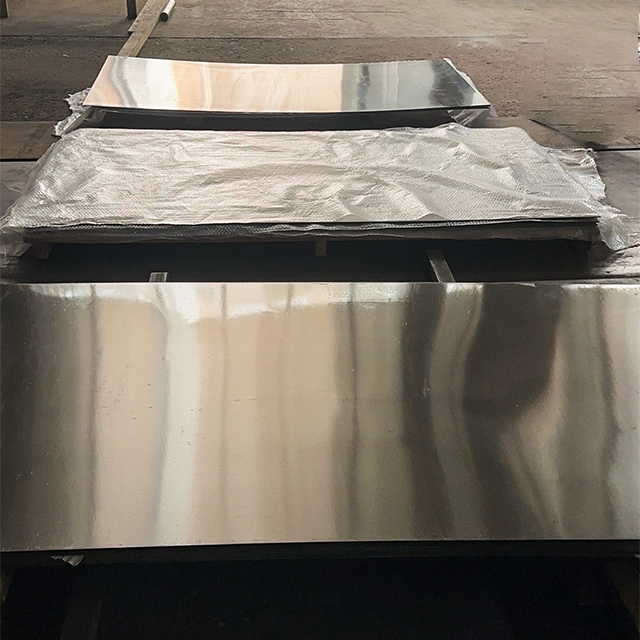
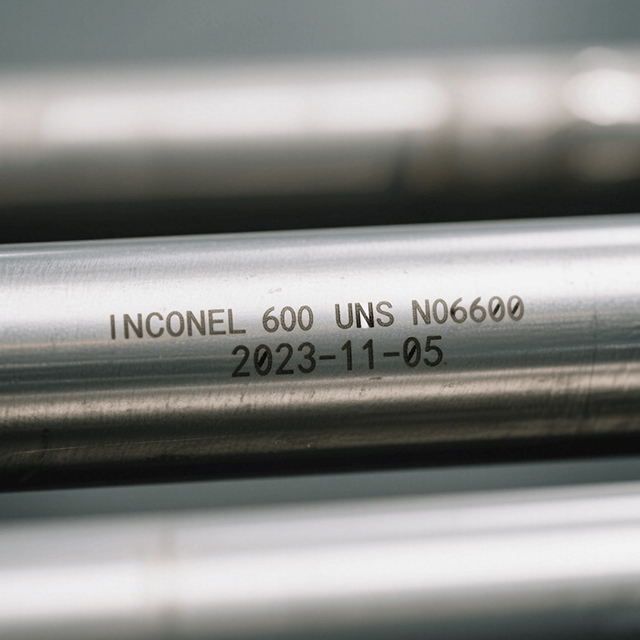
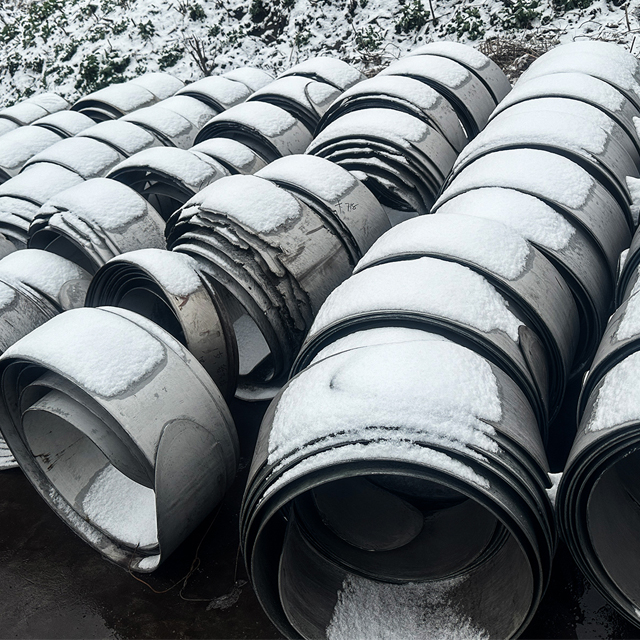
Inconel 600, a classic nickel-chromium-iron alloy, occupies an irreplaceable position in various industrial fields such as aerospace, chemical industry, and energy due to its excellent high-temperature resistance, outstanding corrosion resistance, and stable mechanical strength. Its unique alloy composition design endows it with the ability to operate reliably in extreme environments, making it an ideal material choice for coping with complex working conditions in modern industry.
Chemical Composition
The chemical composition of Inconel 600 is precisely proportioned to ensure the comprehensive performance of the material. The main components and their content ranges are as follows:
Ni | Cr | Fe | C | Mn | Si | S |
Approximately 72% | 14%-17% | 6%-10% | ≤0.15% | ≤1.0% | ≤0.5% | ≤0.015% |
Physical Properties
Inconel 600 exhibits many advantages in physical properties, enabling it to adapt to various harsh working environments. The specific parameters are as follows:
Density | Melting Point | Coefficient of Thermal Expansion | Thermal Conductivity | Electrical Conductivity |
Approximately 8.4 g/cm³ (medium density among high-temperature alloys) | 1370-1425℃ (can maintain stable shape and performance in high-temperature environments) | Approximately 15.1×10⁻⁶/℃ (test temperature range is 20-100℃) | Approximately 15.1 W/(m·K) (test temperature is 20℃) | Approximately 2.6×10⁶ S/m (test temperature is 20℃) |
Designations and Standards
Inconel 600 is widely used internationally, corresponding to various designations and standards in different countries and regions:
United States:
Designation: UNS N06600, which is the identification of Inconel 600 in the Unified Numbering System (UNS) of the United States and is widely used in various industry standards and specifications. Under the ASTM (American Society for Testing and Materials) standard system, many product standards involve this material. For example, bars and wires implement the B166 standard; medium and thick plates, thin plates, and strips follow the B168 and B906 standards; seamless nominal pipes and tubes conform to the B167 and B829 standards; welded nominal pipes are based on the B517 and B775 standards; welded tubes apply the B516 and B751 standards; welded pipe fittings implement the B36 standard; billets and bar billets for forging follow the B472 standard; and forgings meet the B564 standard. In addition, in the AMS (Aerospace Material Specifications) standards, such as AMS 5540, the relevant properties and applications of Inconel 600 materials are also specified.
Germany:
Designation: Werkstoff Nr. 2.4816, which is the identification of this alloy in German industrial standards. In Germany's DIN (Deutsches Institut für Normung) standard system, standards such as DIN 17742 and DIN 17750 regulate the production and quality control of Inconel 600-related products.
France:
Japan:
United Kingdom:
Designation: NA13 or NA14. British Standards (BS) use these designations to identify Inconel 600, which is of great significance in industrial production in the UK, especially in the selection of materials in aerospace, chemical industry and other fields.
These different international designations essentially refer to the Inconel 600 alloy material. Although there may be slight differences in specific performance indicators, processing technology requirements, etc. among national standards, they all ensure that the alloy can meet the high-quality requirements of various industrial applications worldwide.