
English 
Room501, Building32, No. 518 Xinzhuan Highway, Songjiang District, Shanghai, China 201612
Views: 0 Author: Site Editor Publish Time: 2026-10-22 Origin: Site


Material selection in extreme industrial environments leaves zero margin for error. When components operate under severe mechanical stress, extreme heat, or aggressive chemical exposure, standard alloys degrade rapidly. Component failure leads to downtime, safety hazards, and massive operational disruption. Engineers and plant managers frequently face a critical decision between two premium nickel-based superalloys. While both share foundational metallurgical strengths, their overlapping use cases consistently cause specification confusion. Choosing the wrong material results in rapid corrosion, accelerated thermal degradation, and compromised structural integrity.
This technical evaluation guide provides a definitive breakdown of chemical compositions, thermal limits, corrosion profiles, and fabrication realities. You will understand the precise operational thresholds that dictate accurate material specification for high-performance applications, ensuring structural reliability in the most demanding industrial environments.
Primary Distinction: Inconel (nickel-chromium) is engineered primarily for extreme high-temperature oxidation resistance, while Hastelloy (nickel-molybdenum) is optimized for severe chemical and reducing environments.
Corrosion Profiles: Hastelloy outperforms Inconel in highly acidic, localized corrosion scenarios (pitting and crevice corrosion), whereas Inconel maintains structural integrity in high-heat oxidizing atmospheres.
Fabrication Realities: Both alloys present significant machining challenges due to rapid work hardening, requiring specialized tooling, strict thermal control during welding, and precise fabrication protocols.
Cost vs. Value: Hastelloy typically commands a higher upfront raw material cost due to molybdenum content; however, lifecycle cost analysis often justifies the expense in aggressive chemical processing applications.
Table of Contents
Nickel-based superalloys are used in applications requiring high-temperature strength, oxidation resistance, and corrosion protection. Compared with conventional stainless steels, selected nickel alloys offer improved performance under demanding operating conditions.
Nickel alloys are often considered when operating temperatures, chemical exposure, or mechanical stresses exceed the capabilities of conventional materials. However, material selection should be based on the actual service environment rather than alloy cost or nickel content alone.
Engineers should evaluate three main factors before selecting a nickel alloy:
Operating Temperature: Continuous temperature, thermal cycling, and mechanical loading.
Chemical Environment: Acid concentration, chlorides, oxidation, and corrosion risks.
Mechanical Requirements: Tensile strength, fatigue resistance, and creep performance.
These factors help identify suitable alloy grades for each application.
Material Grade | Main Advantage | Typical Applications |
|---|---|---|
316 Stainless Steel | General corrosion resistance | Process piping, industrial equipment |
Monel 400 | Resistance to seawater and selected chemicals | Marine equipment, pumps, valves |
Incoloy 800 | High-temperature oxidation resistance | Heat exchangers, furnaces |
Inconel 625 | Strength and resistance to localized corrosion | Offshore, aerospace, chemical processing |
Hastelloy C-276 | Resistance to aggressive chemical environments | Reactors, scrubbers, chemical equipment |
Note: Each material has different operating limits. Final selection should consider chemical concentration, temperature, stress, and applicable material standards.
Inconel and Hastelloy are nickel-based alloy families with different compositions and performance characteristics. Their resistance to heat, corrosion, and mechanical stress depends on the specific grade and alloying elements.

Inconel alloys generally contain nickel and chromium, which support oxidation resistance and mechanical performance at elevated temperatures. Selected grades also provide good corrosion resistance in marine and chemical environments. For example, Inconel 625 Alloy is widely used in offshore equipment, chemical processing, and aerospace components.
Hastelloy alloys include grades designed for aggressive chemical environments. Molybdenum, chromium, and other alloying elements improve resistance to selected acids, pitting, and crevice corrosion. Our Hastelloy C-276 Alloy is a relevant option for chemical processing, pollution control, and corrosion-resistant equipment.
Inconel may be preferred where high-temperature mechanical performance and corrosion resistance are important, while Hastelloy grades are often considered for aggressive chemical exposure. Neither alloy family is universally superior. Compare grade-specific corrosion data, operating temperature, mechanical properties, and fabrication requirements before making a decision.
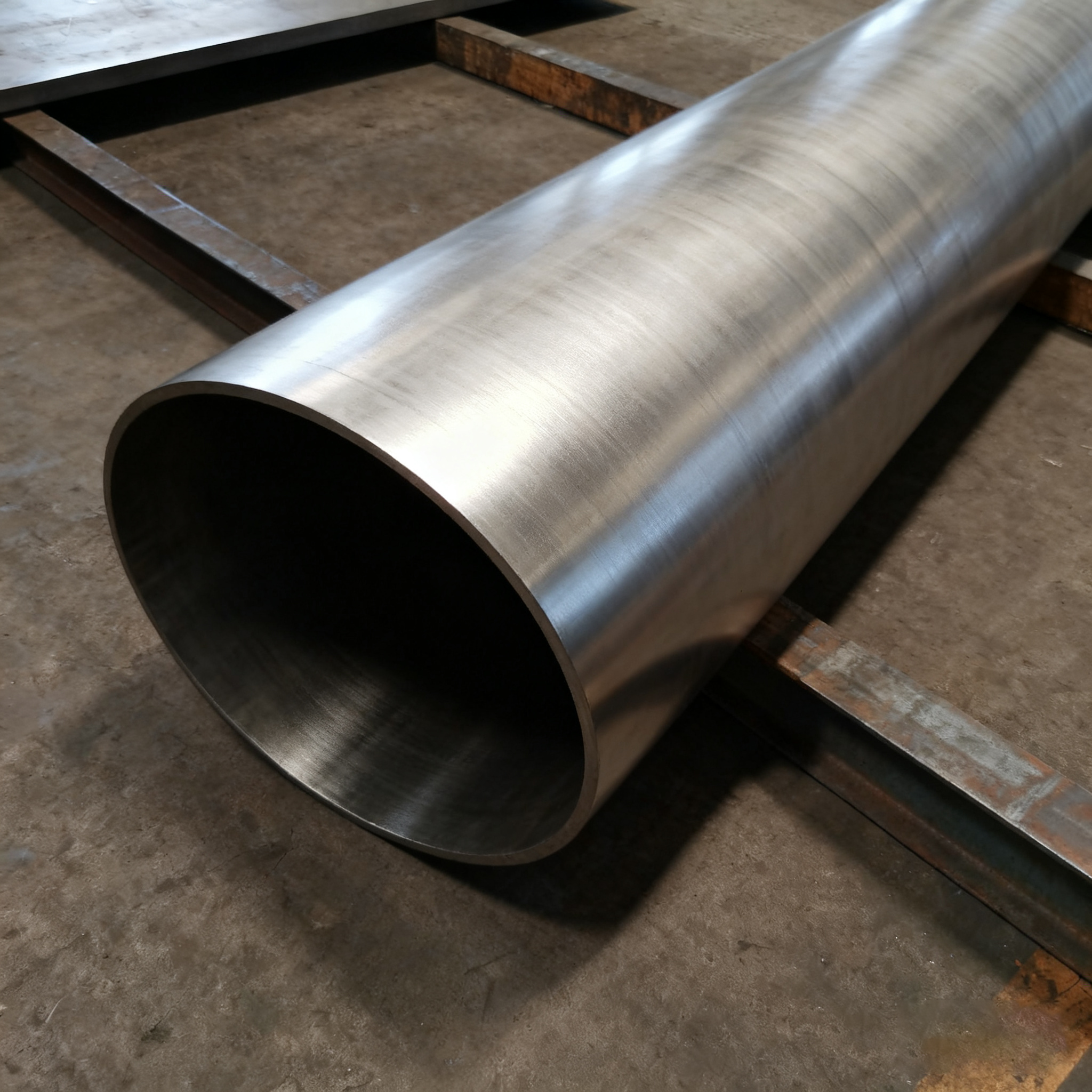
Inconel and Hastelloy alloys offer excellent performance in demanding industrial environments, but their advantages depend on the specific grade. Material selection should consider operating temperature, chemical exposure, mechanical loads, and long-term reliability.
Inconel alloys are widely used in high-temperature equipment because of their oxidation resistance and mechanical properties. Certain grades maintain good strength under elevated temperatures and repeated thermal cycling. Hastelloy alloys also offer high-temperature capability, but their performance varies by grade. The correct choice depends on temperature, loading conditions, and the operating atmosphere.
Corrosion resistance depends on alloy chemistry and the process environment. Chromium supports resistance to oxidizing conditions, while molybdenum improves resistance to selected reducing acids and localized corrosion. Hastelloy grades such as C-276 are frequently selected for aggressive chemical processing environments. Explore our Hastelloy C-276 Alloy for available material forms and specifications.
Mechanical strength and creep resistance are important for components exposed to sustained loads and elevated temperatures. Some Inconel grades are designed for high-strength applications, while Hastelloy grades may prioritize resistance to aggressive chemicals. Engineers should compare grade-specific mechanical properties, operating temperatures, and service conditions before selection.
Inconel 625 and Hastelloy C-276 are nickel-based alloys used in demanding industrial environments. Both provide corrosion resistance, but differences in chemical composition influence their performance.
Inconel 625 contains chromium, molybdenum, and niobium, providing a combination of corrosion resistance and mechanical strength. Hastelloy C-276 contains higher molybdenum and tungsten additions, making it suitable for many aggressive chemical environments.
Property | Inconel 625 | Hastelloy C-276 |
|---|---|---|
UNS Number | N06625 | N10276 |
Nickel | ≥58% | Balance |
Chromium | 20–23% | 14.5–16.5% |
Molybdenum | 8–10% | 15–17% |
Main Alloy Addition | Niobium | Tungsten |
Key Advantage | Strength and corrosion resistance | Resistance to aggressive chemical environments |
Common Applications | Marine, aerospace, chemical processing | Chemical reactors, scrubbers, acid-handling equipment |
Composition values are nominal or specification ranges. Final requirements should follow the applicable material standard.
Both alloys can be used in chemical processing and marine applications, but their suitability depends on the specific exposure conditions. Inconel 625 is often selected when mechanical strength and corrosion resistance are both important. Hastelloy C-276 is frequently considered for mixed acids and aggressive chloride-containing environments. Compare our Inconel 625 Alloy and Hastelloy C-276 Alloy for product specifications.
Inconel and Hastelloy fabrication requires suitable machining, forming, and welding procedures. Their work-hardening behavior and corrosion-resistant compositions can influence manufacturing costs and production efficiency.
Both alloys can work-harden during machining, increasing tool wear and making process control important. Rigid equipment, appropriate cutting tools, suitable feeds and speeds, and effective cooling help maintain dimensional accuracy and surface quality.
Inconel and Hastelloy tubes may require controlled bending and forming procedures to avoid cracking, wall thinning, or dimensional problems. Forming limits depend on material condition, tube dimensions, and bend radius. Intermediate annealing may be necessary for more demanding operations.
Both alloys can be welded using appropriate procedures and filler metals. Controlling heat input, surface cleanliness, and interpass temperature helps reduce welding defects. Post-weld heat treatment requirements depend on the alloy grade, fabrication procedure, and intended service conditions.
Selecting a suitable nickel alloy also requires evaluating product availability, material certification, manufacturing requirements, and project delivery schedules.
Nickel alloy availability varies by grade, product form, dimensions, and order quantity. Standard sheets, plates, bars, and tubes may have different lead times from customized components. Buyers should confirm availability, processing requirements, and delivery schedules before finalizing procurement.
Material Test Reports (MTRs) help verify chemical composition, mechanical properties, and material traceability. Buyers should confirm the required UNS designation and applicable ASTM or ASME specification for each product form. For example, Inconel 625 seamless tubing may be specified under ASTM B444, while Hastelloy C-276 seamless tubing may be specified under ASTM B622.
Selecting the correct superalloy dictates the operational success of critical industrial infrastructure. Neither material is objectively superior; their value depends entirely on the specific environmental stressors of the application. Inconel remains the standard for thermal extremes, providing unmatched oxidation resistance and high-temperature strength. Hastelloy stands as the definitive solution for chemical extremes, offering unparalleled protection against highly aggressive reducing acids and localized corrosion.
Take the following steps to finalize your material specification:
Map your exact operational parameters, including peak temperatures, chemical concentrations, and mechanical loads.
Cross-reference your environmental data against the specific PREN values and thermal limits of Inconel 625 and Hastelloy C-276.
Consult with a metallurgist to review potential localized corrosion threats, such as crevice corrosion in heat exchangers.
Request certified Material Test Reports (MTRs) from your supplier to verify exact chemical compositions before issuing purchase orders.
A: Inconel provides moderate resistance to mild acids but struggles significantly in highly aggressive reducing environments. Its primary defense mechanism relies on a chromium oxide layer, which requires oxygen to form and stabilize. In strong reducing acids like hydrochloric or sulfuric acid, this passive layer fails to form, leaving the material vulnerable to rapid degradation. For severe acidic applications, nickel-molybdenum alloys are required.
A: Incoloy is an iron-nickel-chromium alloy designed for medium-high temperatures and moderate corrosion resistance. Inconel is a premium nickel-chromium alloy engineered specifically for extreme high-temperature oxidation and mechanical stress. Hastelloy is a nickel-molybdenum alloy optimized for severe chemical processing and highly aggressive reducing environments. Incoloy serves as a reliable baseline, while the other two handle absolute industrial extremes.
A: Monel is a nickel-copper alloy that excels in specific environments, particularly marine applications and handling hydrofluoric acid. It operates at significantly lower temperature thresholds compared to premium superalloys. Inconel and Hastelloy are engineered for far more extreme thermal and chemical environments. Monel is highly effective within its specific niche but cannot withstand the extreme heat or aggressive reducing acids that the others handle routinely.
A: Both materials perform exceptionally well in marine environments. Inconel 625 and Hastelloy C-276 both offer near-total immunity to chloride-induced stress corrosion cracking and severe seawater pitting. Inconel 625 is frequently specified for offshore platforms, propeller shafts, and marine exhaust systems due to its high mechanical strength. Hastelloy is utilized when the marine environment is coupled with aggressive chemical discharge or extreme localized pitting threats.
A: Both alloys are notoriously difficult to machine due to rapid work hardening. Hastelloy is generally considered slightly more challenging. Its high molybdenum content gives it a gummy characteristic during cutting, which increases friction, heat generation, and tool wear. Both require highly rigid setups, positive rake tooling, low cutting speeds, and continuous heavy feeds to prevent the tool from rubbing and hardening the surface.
A: Yes, these dissimilar metals can be welded together using specific procedures. The process requires an over-alloyed filler metal that is metallurgically compatible with both base materials to prevent galvanic corrosion and ensure joint strength. Welders must strictly control heat input and interpass temperatures to avoid hot cracking and the formation of brittle phases in the heat-affected zone. Thorough joint preparation and absolute cleanliness are mandatory.


